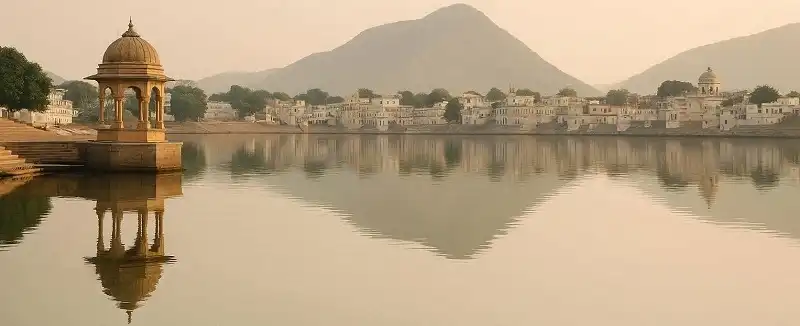
Bhandardara Lake: A Hidden Aravalli Gem in Maharashtra
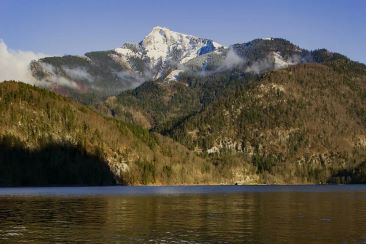
Tucked away in the lush folds of the Western Ghats, Bhandardara Lake is one of Maharashtra's best-kept secrets. This serene ... Continue


Tucked away in the lush folds of the Western Ghats, Bhandardara Lake is one of Maharashtra's best-kept secrets. This serene ... Continue
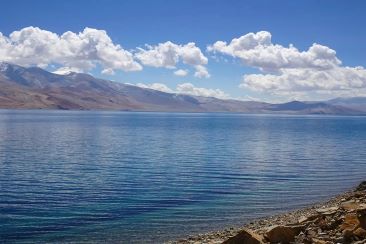
Hidden deep within the trans-Himalayan wilderness lies Tso Moriri Lake a serene destination. That feels more like a revelation ... Continue

Nestled high in the cold desert region of Ladakh, Pangong Tso Lake is a scenic wonder. That stands further among the most ... Continue
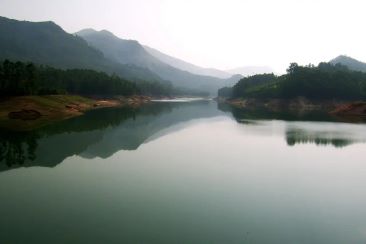
The highland region surrounding the Munnar Lake has evolved slowly over centuries. Before plantation activity reshaped the ... Continue
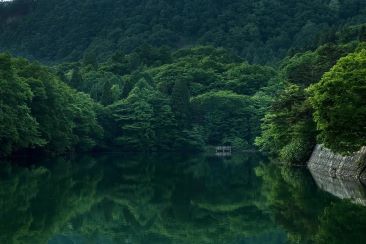
Hidden in the lap of the Dhauladhar range, Kareri Lake is one of the rare destinations. It perfectly blend adventure, serenity, ... Continue

Nestled in the rugged mountains of Himachal Pradesh, Chandertal Lake is one of India's most captivating alpine destinations. ... Continue
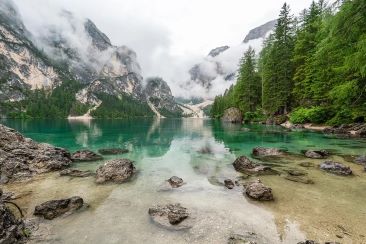
Nestled high in the heart of the Indian Himalayas, Dehnasar Lake is a serene and mystical mirror of nature's grandeur. This ... Continue
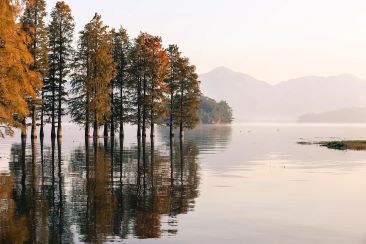
Hidden among Kerala's rolling highlands lies Devikulam Lake a destination defined by quiet beauty rather than noise or novelty. ... Continue
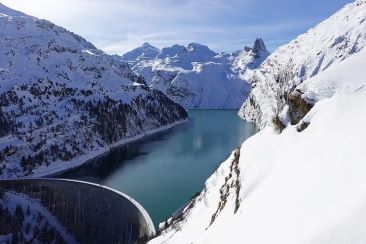
In a world driven by speed, some places invite you to slow down without asking. Tucked away among rolling hills and drifting ... Continue
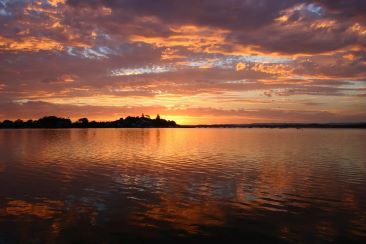
Tucked away in the rugged mountains of Himachal Pradesh, Suraj Tal Lake is one of the highest lakes in India. It is known as the ... Continue
Across India, lake systems define geography and ecology. Moreover, Glacial lakes play a key role in water storage and biodiversity. They shape river origins and support fragile ecosystems. The Himalayan Jewel Lakes represent high-altitude freshwater landscapes. These glacial lakes sustain downstream river flow and seasonal balance. They influence agriculture and drinking water supply in many regions. These lakes further help to regulate regional climate conditions. They remain critical for long-term ecological balance.
The Deccan Highland Lakes show plateau-based hydrological diversity. Here, Glacial lakes serve as reference systems for climate studies. The Aravalli Oasis Lakes highlight arid-region water resilience. Moreover, the Orchid Valley Lakes reflect monsoon-driven ecological patterns. These systems further support tourism and scientific observation. Seasonal changes strongly affect their water levels and ecology. Hydrological research in these lakes is expanding rapidly. Local communities depend on these waters for livelihoods. These landscapes attract researchers and environmental planners. Data-driven models meanwhile improve lake conservation strategies.
Most importantly, these regions differ greatly in climate and terrain. Yet all Indian lakes contribute to ecological stability. Sustainable management firstly protects fragile water systems nationwide. Glacial Lakes remain vital markers of environmental change. Conservation efforts are increasing across protected lake zones. Climate change adds pressure on these freshwater environments. Policy frameworks aim to improve long-term sustainability. If you’re planning a peaceful mountain escape, the Glacial Atlas lakes region offers crystal-clear waters, dramatic alpine scenery, and some of the most unforgettable hiking trails for nature lovers. These lakes form an important part of India's heritage. Monitoring programs track ecological health across lake systems. Awareness campaigns promote conservation of fragile ecosystems. Above all, public participation strengthens protection of freshwater habitats.
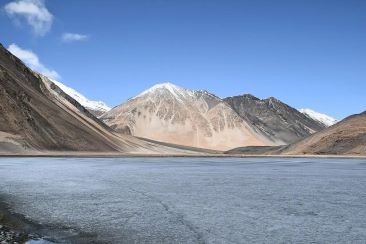
Hidden in the remote Himalayan landscape, Tso Kar Lake is a breathtaking destination that feels ... Continue

Nestled beside the vibrant charm of Dal Lake, Nagin Lake offers a quieter, more intimate ... Continue
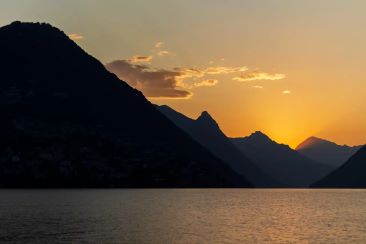
Nestled in the scenic region of Kashmir Valley, Manasbal Lake is one of the pristine freshwater ... Continue