Dehnasar Lake: Scenic Himalayan Jewel Destination
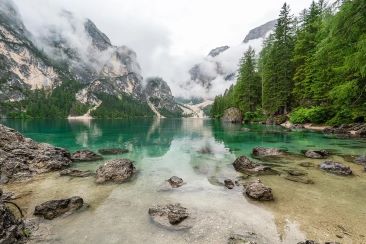
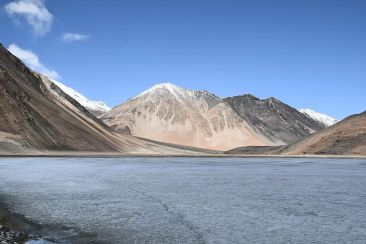
Nestled high in the heart of the Indian Himalayas, Dehnasar Lake is a serene and mystical mirror of nature's grandeur. This high-altitude alpine lake captivates trekkers, photographers, and spiritual seekers alike with its pristine waters, rugged terrain, and untouched landscapes. Far from crowded tourist trails, Dehnasar offers a rare opportunity to immerse yourself in sweeping mountain panoramas and tranquil wilderness. Every step on the path to the lake reveals the sheer beauty and power of the Himalayan environment. That make it a perfect destination for those who seek adventure and solitude alike.
The Allure of Dehnasar Lake: Nature's High-Altitude Masterpiece
At an elevation of approximately 4280 meters (14041 feet), Dehnasar lake is more than a scenic spot. It is a testament to nature's untouched splendor. Its crystal-clear waters reflect the towering mountains and vast skies. That creates a visual spectacle that changes with light and weather. Unlike other Himalayan lakes accessible by road, Kareri Basin the trek to Dehnasar rewards visitors with panoramic views. That are consists of snow-capped peaks, winding streams, and verdant valleys. The isolation of the lake amplifies its mystique, offering an experience where the silence of the mountains feels alive, and every breath is refreshingly pure. For nature lovers, photographers, and trekkers alike, the lake's serene atmosphere provides both inspiration and a sense of calm.
Where Is Dehnasar Lake? Geographical Context and Setting
Dehnasar lake is located in the remote highlands of northern India, along the stretch of the Himalayas. That separates Himachal Pradesh and Uttarakhand. This hidden gem lies far from the main highways, making the journey on foot the only way to fully appreciate its surroundings. The Dehnasar Lake is part of a network of lesser-known high-altitude trekking routes. That traverse dense forests, alpine meadows, and rocky ridges. These diverse terrains create a trekking experience that feels dynamic, offering moments of discovery at every turn. The remoteness of the lake not only preserves its pristine beauty but also gives trekkers a genuine sense of adventure. That is far removed from the busier tourist circuits of the Himalayas.
Best Time to Visit: Seasonal Guide for Trekking
Timing a visit to Dehnasar Lake is crucial for both safety and enjoyment. The region experiences harsh winters, with heavy snowfall making the trails treacherous. The ideal trekking window generally spans from late May to early October. During the summer months, the snow melts, revealing lush meadows and blooming wildflowers. The weather is typically mild, although occasional monsoon showers can make trails slippery and cloud the views. Autumn, particularly October, offers cooler temperatures and clear skies, perfect for photography and enjoying long stretches of uninterrupted scenery. Winter visits are reserved for highly experienced mountaineers, as extreme cold and deep snow make the trek both challenging and potentially dangerous.
Trekking to Dehnasar Lake: Route Overview
The trek to Dehnasar Lake is moderately challenging. It is best suited for travelers with prior trekking experience or adequate preparation. Most routes begin from a base village such as Shoja or Bangana, which are accessible by road. From there, the path winds through dense forests, vibrant meadows, and rocky terrain. Early sections of the trail feature gentle ascents, with shaded paths under towering trees and small streams crossing the route. As trekkers climb higher, the terrain becomes steeper, requiring careful navigation and stamina. Along the way, scenic spots offer ideal rest points, allowing travelers to pause and take in breathtaking vistas. Completing the trek over two to three days is common, giving trekkers enough time to acclimate and enjoy the journey without rush.
Cultural and Spiritual Significance of the Region
The area surrounding Dehnasar Lake holds rich cultural and spiritual importance for local communities. High-altitude lakes in the Himalayas are often considered sacred. Visiting them has long been a practice intertwined with local traditions and rituals. Pilgrimages to alpine lakes are common, reflecting a deep connection between nature and spirituality in Himalayan culture. Even for those who are not on a spiritual journey, the sense of tranquility and reverence along the path is palpable. Villagers and local guides often share stories and insights into their traditions. That allow trekkers to gain a deeper appreciation for the cultural tapestry of this remote Himalayan region. This blend of natural beauty and cultural depth makes the trek a truly enriching experience.
Essential Preparations: Gear, Fitness, and Safety
Preparing for a trek to Dehnasar Lake is critical to ensure a safe and enjoyable experience. Trekkers should maintain a moderate to high fitness level, with cardio and leg-strength exercises helping to handle sustained climbs. Layered clothing is essential, with waterproof outer layers and warm mid-layers to manage cold and variable weather conditions. Sturdy trekking boots with ankle support are a must, along with trekking poles. That is needed for balance and a reliable backpack for essentials. Safety measures include a first aid kit, medication for altitude sickness, and communication devices, especially when trekking in smaller groups. While solo treks are possible, guided tours provide valuable navigation assistance, cultural insights, and added safety in this remote Himalayan region.
Camping and Accommodation: Rest Stops Along the Way
Since reaching Dehnasar lake requires more than a day's trek from the nearest road. So, overnight camping is an integral part of the journey. Campsites are typically located in scenic areas, close to water sources and sheltered from strong winds. Camping allows trekkers to immerse themselves fully in the Himalayan environment, with the simplicity of tents and campfires offering a genuine wilderness experience. Many trekking groups arrange for cooks and porters, making multi-day journeys more comfortable and manageable. Luxury accommodations are not available en route. But, the experience of waking up to panoramic mountain views and the tranquility of alpine nights is unmatched. Camping along the trail adds depth and authenticity to the adventure.
Local Cuisine and Cultural Flavors
While trekking, travelers can enjoy a mix of homemade backpack meals and traditional dishes. That are offered by villagers near the base points. Himalayan cuisine is hearty and designed to provide energy for long days of trekking. Staples include lentils, rice, flatbreads, and locally sourced vegetables, often prepared with minimal seasoning but rich in flavor. In some villages, dishes like thukpa, a warm noodle soup, or siddu, a type of steamed bread, are available. Local teas and herbal infusions not only provide warmth but also offer insight into regional culinary practices. Sharing meals with local communities adds a cultural dimension to the trek, making each stop along the trail a chance to connect with the traditions of the region.
Photography Tips: Capture the Magic
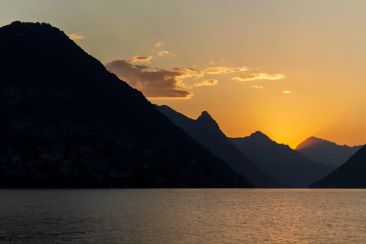
Dehnasar Lake and its surroundings are a paradise for photographers, with every twist of the trail offering stunning compositions. Sunrise and sunset provide golden hours for capturing soft light, while reflections in the lake's calm waters create mirror-like effects. Including foreground elements such as rocks, streams, or wildflowers adds depth to landscape shots. Even cloudy or misty conditions can yield dramatic and atmospheric photographs. Whether using a smartphone or professional camera, the changing weather, dynamic light, and vast vistas allow trekkers to create a diverse portfolio of images. Photographers should be prepared to adapt quickly to conditions, as the mountainous environment can shift rapidly. They further offer unexpected and spectacular scenes.
Responsible Trekking: Leave No Trace
As interest in offbeat Himalayan destinations grows, responsible trekking practices are more important than ever. Dehnasar Lake's fragile ecosystem is vulnerable to pollution and unmanaged foot traffic. Trekkers should carry out all non-biodegradable waste, minimize the use of plastics, and respect local flora and fauna. Camping should only occur at designated sites, and eco-friendly products should be prioritized whenever possible. By following these guidelines, travelers contribute to preserving the lake's pristine environment and supporting the well-being of local communities. Responsible trekking ensures that future visitors can experience the same untouched beauty that makes Dehnasar Lake a hidden Himalayan treasure.
Conclusion
Dehnasar Lake is a destination that combines natural beauty, adventure, and cultural depth into a single unforgettable experience. Its high-altitude location offers breathtaking alpine views, vibrant meadows, and a serene lake. That reflects the surrounding mountains like a mirror. The journey to the lake challenges both body and mind, rewarding trekkers with moments of awe, tranquility, and discovery. From the rich local traditions and hearty Himalayan cuisine to camping under starlit skies and capturing unforgettable photographs, the trek to Dehnasar is as enriching as it is scenic. For those seeking a Himalayan adventure off the beaten path, this hidden gem offers a rare and deeply rewarding escape.