Tso Moriri Lake: Pristine High Altitude Lake in Ladakh
Hidden deep within the trans-Himalayan wilderness lies Tso Moriri Lake a serene destination. That feels more like a revelation than a place. This remote landscape offers a rare sense of stillness, broken only by wind and distant bird calls. Vast open skies stretch endlessly, while mountains stand like quiet guardians. Travelers who reach here often describe a deep emotional calm that is difficult to articulate. The journey is long and demanding, yet the reward feels timeless, grounding, and deeply personal for those who make the effort.
The Geographic Setting of Ladakh's Remote Plateau
The lake is located in the Changthang region of Ladakh, an area defined by high-altitude plains and dramatic isolation. This landscape has been shaped by tectonic shifts and ancient glacial movement over millions of years. At first glance, Manasbal Waterbody the terrain appears barren, but closer observation reveals subtle variations in color and texture. Rolling grasslands, salt flats, and distant ridgelines create a sense of immense scale. The absence of urban development enhances the feeling of raw wilderness.
Altitude, Climate, and the Reality of Thin Air
Sitting at an elevation exceeding 4500 meters, the Tso Moriri Lake exists in an environment that tests both body and mind. Oxygen levels are significantly lower, making even simple movements feel demanding at first. Summer days are cool and sunlit, while nights bring sharp temperature drops. Sudden winds are common and can change the feel of the landscape within minutes. Acclimatization is essential, as rushing the journey increases health risks. This extreme climate naturally limits crowds and preserves the area's fragile balance.
The Visual Magic of the Lake's Changing Colors
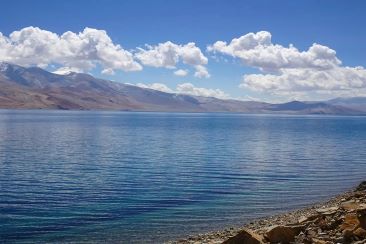
The water is known for its striking clarity and dramatic color shifts throughout the day. Mineral content, depth variations, and the angle of sunlight work together to produce shades ranging from soft aquamarine to deep cobalt. Morning light feels gentle and reflective, while afternoon sun intensifies the hues. Clouds passing overhead add further contrast and movement. These changes make the landscape feel alive. Many visitors find themselves simply sitting and watching, absorbed by the slow rhythm of nature.
Ecological Significance and Wetland Protection
This high-altitude water body is recognized as a protected wetland due to its ecological importance. It supports unique microorganisms and alpine vegetation adapted to harsh conditions. Seasonal streams feed the lake, maintaining its delicate hydrological cycle. Conservation measures restrict large-scale tourism and commercial activity. Grazing by local livestock is carefully regulated to avoid overuse. These protections help maintain water purity and habitat stability. Preservation efforts depend heavily on responsible visitor behavior.
Birdlife and High-Altitude Wildlife
During the short summer season, migratory birds arrive at Tso Moriri Lake from distant regions to breed and feed. Bar-headed geese, known for their ability to fly at extreme altitudes, are a common sight. Black-necked cranes add elegance to the shoreline with their graceful movements. The surrounding plains host Himalayan marmots, which can often be seen basking in the sun. Kiang, the Tibetan wild ass, roam freely across the open grasslands. These sightings feel special because they occur in a natural, undisturbed setting.
Korzok Village and Traditional Ways of Life
Near the shoreline lies Korzok, a small settlement that offers insight into life at high altitude. The village is home to a community that has adapted over generations to extreme weather and limited resources. Stone houses are built low to retain warmth during long winters. Livestock herding remains central to the local economy. The monastery overlooking the plains serves as a spiritual anchor. Staying with local families provides meaningful cultural exchange.
Spiritual Atmosphere and Local Beliefs
The Tso Moriri Lake holds deep spiritual importance for residents of the region. Many believe it is protected by guardian deities and natural spirits. Religious ceremonies are held during specific times of the year to honor these beliefs. The calm surroundings naturally encourage introspection and mindfulness. Visitors often describe a sense of quiet reverence upon arrival. Respectful behavior is essential, especially near monasteries and prayer sites. Understanding local beliefs adds emotional depth to the experience.
Best Time to Visit and Seasonal Accessibility
The ideal travel period spans from late June to early September, when snow has melted and roads are open. During these months, the weather remains relatively stable, though sudden changes are still possible. Outside this window, heavy snowfall and freezing temperatures make access extremely difficult. Travel permits are required due to the region's sensitive location. Planning should include buffer days for weather delays. Careful timing ensures a safer and more enjoyable journey.
Routes, Roads, and the Journey Itself
Reaching this remote destination involves long drives through high mountain passes and expansive plateaus. Roads vary in condition, ranging from smooth stretches to rugged tracks. Fuel stations are scarce, making advance planning essential. The journey itself is part of the adventure, offering views of untouched valleys and dramatic landscapes. Stops along the way allow travelers to acclimatize gradually. Patience and preparation are rewarded with unforgettable scenery.
Accommodation Options and Living Simply
Accommodation near the Tso Moriri Lake remains intentionally minimal to reduce environmental impact. Homestays and seasonal camps provide basic shelter and warmth. Electricity is often limited to a few hours, typically powered by solar energy. Heating relies on traditional methods suited to the climate. Meals are simple yet nourishing, often made with locally sourced ingredients. This simplicity encourages travelers to disconnect from modern distractions and embrace slow living.
Food, Water, and Daily Essentials
Food in the region reflects the realities of high-altitude living. Staples include barley, lentils, potatoes, and dairy products. Butter tea is commonly served and helps combat cold and dehydration. Fresh produce is limited due to the short growing season. Drinking water should be treated or filtered before consumption. Carrying personal supplies ensures comfort. Understanding these limitations helps set realistic expectations.
Photography and Visual Storytelling
The Tso Moriri Lake offers endless opportunities for photography, yet it demands patience and respect. Early mornings and late evenings provide the best light. Reflections on calm water create striking compositions. Wildlife photography requires distance and discretion. Avoid disturbing animals or local life for the sake of images. Capturing the essence of the place often means focusing on atmosphere rather than dramatic action. The result is a more authentic visual story.
Responsible Travel and Environmental Awareness
Visitors play a critical role in preserving this fragile environment. Carrying reusable bottles and containers helps reduce waste. All non-biodegradable trash must be taken back. Wildlife should never be approached or fed. Hiring local guides supports the community economy. Noise levels should be kept low to maintain tranquility. Thoughtful choices ensure that future travelers can experience the same sense of purity.
Health, Safety, and Altitude Awareness
Health preparation is essential when traveling at high altitude. Gradual ascent helps the body adapt to lower oxygen levels. Staying hydrated and avoiding alcohol reduces risk. Recognizing early signs of altitude sickness can prevent serious issues. Medical facilities are limited, so prevention is crucial. Travel insurance and basic first-aid supplies provide added security. Awareness and caution allow for a safer journey.
Why This Lake Leaves a Lasting Impression
Few places offer such a profound sense of space and silence. The combination of natural beauty, cultural depth, and isolation creates a powerful emotional impact. Many visitors find themselves reflecting on simplicity and resilience. The absence of modern noise sharpens awareness of nature's rhythms. Memories formed here tend to linger long after the journey ends. This lasting impression is what draws thoughtful travelers to the region.
Conclusion: A Journey Beyond Scenery
Experiencing Tso Moriri Lake goes far beyond witnessing scenic beauty. It is an encounter with stillness, scale, and cultural resilience. The harsh environment teaches respect for nature's limits. Encounters with local life foster humility and understanding. The quiet moments spent by the water often become the most meaningful. This high-altitude sanctuary remains one of Ladakh's most powerful and transformative travel experiences.