Munnar Lake: A Serene Deccan Highland to Experience
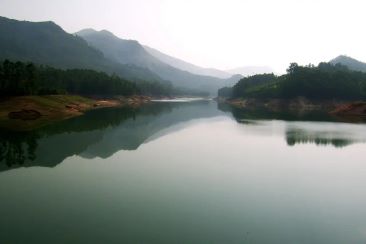
The highland region surrounding the Munnar Lake has evolved slowly over centuries. Before plantation activity reshaped the terrain, dense forests dominated these hills. Indigenous communities depended on forest produce and seasonal water sources. British-era tea cultivation introduced structured landscapes and water management systems. Small reservoirs and channels were created to support plantations. Over time, natural water accumulation formed the calm expanse visible today. This gradual evolution preserved ecological balance while supporting human livelihoods. The surrounding environment reflects a blend of natural formation and historical adaptation.
Tea Plantations and Their Influence on the Ecosystem
Tea estates define much of the visual identity around the Munnar Lake. Neatly trimmed bushes follow the slopes in rhythmic patterns. These plantations Kundala Eco Lake influence local microclimates by retaining moisture. Shade trees provide shelter for birds and insects. Estate workers follow traditional harvesting cycles that respect seasonal changes. The coexistence of agriculture and water systems demonstrates sustainable land use. Visitors often notice how plantation boundaries blend naturally into forest edges. This integration prevents visual disruption and supports biodiversity.
Wildlife Encounters and Birdlife Observations
Wildlife presence adds subtle excitement to the calm surroundings. Bird species such as kingfishers and egrets frequent the shoreline. Early mornings reveal soft wing movements above the water. Frogs and small reptiles thrive near shallow edges. Butterflies appear in large numbers during warmer months. Larger animals remain hidden within forested slopes. These quiet encounters enhance appreciation for the ecosystem. Observing wildlife without disturbance becomes a rewarding experience for nature enthusiasts.
Morning Atmosphere and Sensory Experience
Mornings bring a distinctive sensory atmosphere. Cool air carries the scent of damp earth and tea leaves. Soft light spreads slowly across the surface. Mist often rises, blurring boundaries between water and sky. Sounds remain minimal, dominated by birds and distant plantation activity. Walking during these hours feels meditative. The absence of noise sharpens awareness of small details. Such moments define the emotional core of the destination.
Evening Calm and Changing Light
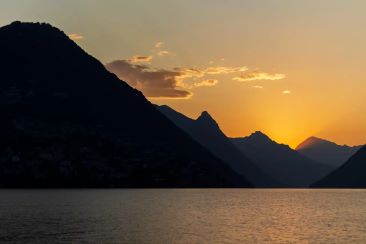
Evenings offer a contrasting yet equally peaceful mood. The sun lowers behind surrounding hills, casting elongated reflections. Temperatures drop gradually, encouraging stillness. The water surface darkens into deeper tones. Occasional ripples appear as birds settle for the night. Visitors often sit quietly, absorbing the transition. This time suits reflection and photography. The slow fade of daylight reinforces the area's tranquil identity.
Role in Local Tourism Economy
The Munnar Lake contributes quietly to regional tourism without dominating it. Nearby accommodations promote nature-based stays rather than entertainment-heavy packages. Local guides offer walking tours and ecological insights. Small vendors sell handmade items and refreshments. Tourism income supports community livelihoods while remaining low-impact. Authorities limit excessive development to preserve serenity. This balanced approach ensures long-term sustainability. Visitors benefit from authenticity rather than commercial excess.
Photography Tips for Capturing the Landscape
Photography enthusiasts find ample inspiration throughout the day. Wide-angle lenses capture expansive reflections and rolling hills. Early morning fog adds depth and softness. Neutral filters help manage changing light conditions. Composition improves by including tea rows or shoreline curves. Patience proves essential for wildlife shots. Avoiding harsh midday light enhances image quality. Respecting natural silence ensures minimal disturbance while shooting.
Walking Trails and Exploration Routes
Several informal trails surround the waterbody. These paths follow gentle gradients suitable for all ages. Walkers encounter plantation edges, forest patches, and open viewpoints. Trails remain unmarked, encouraging mindful exploration. Comfortable shoes enhance safety on damp ground. Walks usually last between thirty minutes and two hours. These routes allow visitors to engage physically without exhaustion. Exploration remains slow and immersive.
Meditation, Yoga, and Wellness Appeal
The calm environment of Munnar Lake naturally supports wellness practices. Many visitors practice yoga during early hours. Meditation sessions feel deeper due to minimal distractions. Retreat centers nearby incorporate lakeside mindfulness programs. Breathing exercises feel easier in cool mountain air. Such activities align with the region's slow rhythm. Wellness tourism continues to grow quietly. The setting encourages inner balance without structured programs.
Influence of Monsoon on the Landscape
Monsoon season transforms the surroundings dramatically. Rainfall deepens water levels and intensifies greenery. Clouds settle low, creating a dreamlike atmosphere. Streams feed the lake continuously during this period. While visibility reduces at times, beauty increases. Travelers should expect slippery paths and cooler temperatures. Proper planning ensures safe visits. Monsoon months reward those who enjoy misty, moody landscapes.
Responsible Travel Practices for Visitors
Maintaining serenity requires conscious visitor behavior. Carrying reusable bottles reduces plastic waste. Staying on existing paths prevents soil erosion. Silence preserves wildlife comfort and visitor experience. Photography should avoid intrusive techniques. Supporting local businesses strengthens community bonds. Responsible actions ensure preservation for future travelers. Awareness transforms tourism into stewardship rather than consumption.
Accessibility and Travel Planning
Access remains straightforward from nearby towns. Roads remain well-maintained despite hilly terrain. Taxis and shared vehicles provide reliable transport. Travel time varies depending on starting location. Early departures avoid traffic and enhance experience. Visitors should check weather conditions before travel. Planning accommodations close to natural areas reduces commute stress. Thoughtful logistics improve overall enjoyment.
Local Cuisine and Culinary Experiences
Food around the Munnar Lake reflects highland simplicity. Meals emphasize fresh vegetables and mild spices. Tea remains central to daily life and hospitality. Local bakeries offer warm snacks suited to cool weather. Dining experiences focus on comfort rather than extravagance. Evening meals often accompany scenic views. Culinary simplicity complements the calm environment. Food becomes part of the restorative journey.
Educational Value for Students and Researchers
The lake and surrounding ecosystem offer learning opportunities. Students study hydrology, ecology, and land use patterns. Researchers observe interactions between plantations and natural habitats. Educational tours emphasize conservation awareness. Field studies benefit from accessible terrain and clear ecological indicators. Learning occurs organically through observation. This educational value adds depth to tourism appeal.
Seasonal Festivals and Subtle Celebrations
Cultural celebrations remain understated yet meaningful. Harvest seasons bring quiet gatherings within nearby communities. Music and traditional foods mark special occasions. These events rarely disrupt tranquility. Visitors may witness cultural expressions organically. Respectful observation enriches cultural understanding. Festivals highlight community connection rather than spectacle.
Comparison with Other Highland Waterbodies
Compared to larger reservoirs, the Munnar Lake prioritizes intimacy. It lacks heavy boating activity and crowds. The absence of loud attractions preserves calmness. Smaller scale enhances personal connection. Visitors often prefer this over busier alternatives. The experience focuses on atmosphere rather than activities. Such comparison highlights its unique appeal.
Emotional Impact and Visitor Reflections
Many visitors describe a sense of renewal after leaving. Stress levels reduce naturally through slow engagement. Memories often center on quiet moments rather than events. Emotional clarity emerges through stillness. This impact differentiates the destination from typical sightseeing spots. The experience resonates long after departure. Emotional connection defines its lasting value.
Long-Term Preservation and Future Outlook
Preservation efforts remain crucial for the future. Authorities monitor water quality and development limits. Community involvement strengthens protection measures. Sustainable tourism models guide planning decisions. Climate awareness influences conservation strategies. Continued respect ensures longevity. The future depends on balanced coexistence between visitors and nature.
Final Reflection on the Highland Experience
This serene highland waterbody embodies quiet beauty and balance. The value of Munnar Lake lies not in grand attractions but in atmosphere. Visitors gain calmness rather than excitement. The surrounding hills, plantations, and water form a harmonious whole. Such destinations remind travelers of simplicity's power. Choosing slow travel here rewards the mind and spirit.