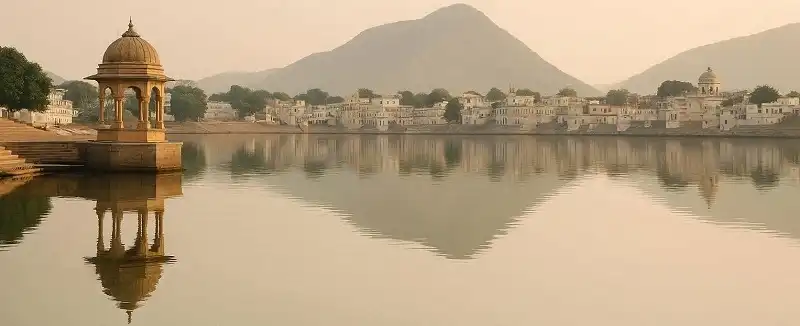
Tso Moriri Lake: Pristine High Altitude Lake in Ladakh
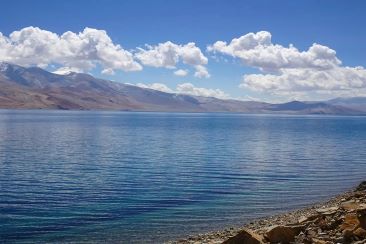
Hidden deep within the trans-Himalayan wilderness lies Tso Moriri Lake a serene destination. That feels more like a revelation ... Continue


Hidden deep within the trans-Himalayan wilderness lies Tso Moriri Lake a serene destination. That feels more like a revelation ... Continue
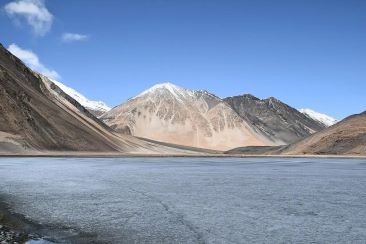
Hidden in the remote Himalayan landscape, Tso Kar Lake is a breathtaking destination that feels untouched by time. Surrounded by ... Continue
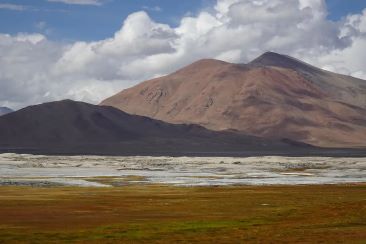
Far away from bustling tourist trails lies Tsokar Lake a quiet expanse of shimmering saltwater surrounded by rugged mountains. ... Continue

Nestled high in the cold desert region of Ladakh, Pangong Tso Lake is a scenic wonder. That stands further among the most ... Continue
Indian lakes form a diverse and captivating network of natural water bodies. Among them Ladakh lakes reflect the country’s varied geography and climate. From snow-fed basins in the north to plateau reservoirs in the south, these lakes hold immense ecological and cultural value. Among them, the Himalayan Jewel Lakes stand out for their crystal-clear waters and alpine surroundings. In this region, lakes emerge as striking high-altitude formations shaped by glacial activity and extreme landscapes. These lakes reflect deep blue skies and rugged mountain terrain, offering unique ecological habitats. Their seasonal changes and remote locations make them scientifically significant and visually remarkable. Together, they meanwhile highlight the fragile beauty of high-altitude aquatic ecosystems across India.
Further south, the Deccan Highland Lakes showcase volcanic plateaus and rain-fed basins that support biodiversity and local livelihoods. In contrast, the Aravalli Oasis Lakes provide rare water sources amid arid landscapes, sustaining communities and wildlife. Meanwhile, the Orchid Valley Lakes are known for their lush surroundings and rich floral ecosystems. Across this varied landscape, Ladakh lakes continue to be recognized for their extreme altitude conditions and glacial origins. These lakes contrast sharply with the warmer and more fertile regions, emphasizing India’s geographical diversity. They also serve as indicators of climate patterns and environmental change across different zones.
In short, India’s lake systems represent a mosaic of ecological treasures that span mountains, plateaus, and valleys. Moreover, Ladakh Lakes remain among the most studied high-altitude water bodies. Their fragile ecosystems and climatic sensitivity is the treason behind it. Conservation efforts increasingly focus on protecting these regions. These lakes continue to attract attention for their role in water balance and biodiversity in cold desert environments.
Hidden in the remote Himalayan landscape, Tso Kar Lake is a breathtaking destination that feels ... Continue

Nestled beside the vibrant charm of Dal Lake, Nagin Lake offers a quieter, more intimate ... Continue
Nestled in the scenic region of Kashmir Valley, Manasbal Lake is one of the pristine freshwater ... Continue