Kareri Lake: A Himalayan Jewel Lake worth visiting
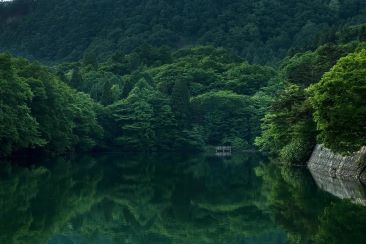
Hidden in the lap of the Dhauladhar range, Kareri Lake is one of the rare destinations. It perfectly blend adventure, serenity, and natural beauty. This glacial lake, surrounded by lush alpine meadows and pine forests, attracts trekkers, nature lovers, and photography enthusiasts alike. If you're craving a Himalayan escape that's still offbeat yet accessible, here is a guide. That will show why Kareri lake deserves a spot on your travel bucket list.
1. Where Exactly Is Kareri Lake?
Located about 9 kilometers northwest of Dharamshala in Himachal Pradesh, Kareri Lake sits at an altitude of nearly 2950 meters. It's fed by the melting snow from the Dhauladhar range. That gives its Renuka Pool water a crystalline clarity that mirrors the surrounding peaks. The nearby Kareri village serves as the base camp for most treks to the lake.
2. Why This Lake Is So Special
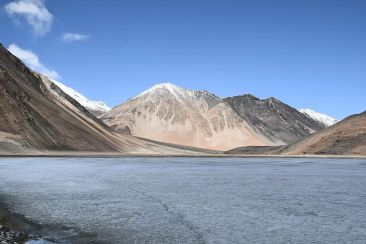
What makes the Kareri Lake stand out is its untouched charm. Unlike other crowded hill destinations, it remains relatively unspoiled. The reflections of snow-covered mountains on its glassy surface create postcard-perfect views. For travelers seeking peace and connection with nature, this destination offers both in abundance.
3. The Best Time to Visit
The ideal time to visit Kareri Lake is between May and October. At that time, the weather is pleasant and trails are accessible. During these months, the landscape bursts into shades of green, and the water remains calm and clear. Winter transforms the area into a snowy wonderland, but trekking can become challenging due to heavy snowfall.
4. How to Reach This Himalayan Gem
To reach this pristine location, you can first travel to Dharamshala or McLeod Ganj. You can take a bus or hire a cab from major cities like Delhi or Chandigarh. From there, head to Kareri village-around a two-hour drive from Dharamshala. The actual trek to the lake begins here. It takes about 5-6 hours depending on your pace and stops along the way.
5. The Trekking Experience
The trek to this lake is moderately difficult and suitable for both beginners and seasoned trekkers. The trail passes through pine forests, quaint villages, and gurgling mountain streams. Every turn reveals new landscapes-from rhododendron blooms to grazing sheep on terraced fields-making it a visual treat for nature enthusiasts.
6. Camping by the Lakeside
Camping near the lake is an experience you won't forget. Under a blanket of stars with the sound of gentle waves lapping against rocks, it's pure Himalayan magic. Many trekkers bring their own tents or rent them from local guides at Kareri village. Remember to follow eco-friendly camping practices-carry back your waste and respect nature's silence.
7. Flora and Fauna Around the Lake
This region is home to diverse flora and fauna thanks to its elevation and climate. You'll spot deodar trees, oak forests, wildflowers, and occasionally Himalayan birds like monals and eagles soaring overhead. It's a paradise for photographers seeking vibrant landscapes and wildlife moments.
8. Spiritual Significance
Apart from its natural appeal, the lake holds spiritual importance for locals. A small temple dedicated to Lord Shiva stands near its banks, drawing pilgrims during summer festivals. Locals believe that the lake's waters are sacred-a belief that adds another layer of reverence to this tranquil place.
9. Adventure Beyond Trekking
If you're looking for more than trekking, there's plenty to explore around this area. From short hikes to nearby waterfalls to exploring local villages where time seems to slow down, every experience feels authentic. You can also indulge in birdwatching or meditate by the lakeside for complete rejuvenation.
10. What to Pack for Your Trip
Pack light but smart-comfortable trekking shoes, warm clothing (even in summer), sunscreen, reusable water bottles, and energy snacks are essentials. Carrying rain protection is wise since mountain weather can be unpredictable. Don't forget your camera; every corner here deserves a snapshot.
11. Staying Options Nearby
For those who prefer comfort after their trek, homestays in Kareri village provide cozy accommodations with traditional Himachali meals. Some trekkers choose guesthouses in Dharamshala or McLeod Ganj before heading up to start their journey fresh in the morning.
12. Responsible Travel Tips
Sustainable travel ensures that places like this remain pristine for generations ahead. Avoid littering or using single-use plastics during your trip. Support local businesses-buy food from village stalls or hire local guides who know the terrain best.
13. Local Culture and People
The warmth of Himachali hospitality adds depth to your journey here. Villagers often share stories about their traditions and mountain life over cups of chai by wood-fired stoves. Interacting with them offers insights into how they live harmoniously amidst nature's challenges.
14. Photography Tips for Travelers
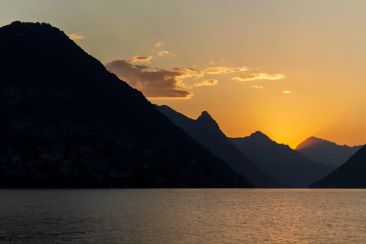
Early morning light works wonders for capturing reflections on the water surface. While evenings offer dramatic sunset hues behind snow peaks. Use wide-angle lenses for landscapes but switch to macro shots if you love capturing wildflowers up close.
15. Why You Should Visit Soon
In an era where many Himalayan destinations have turned commercialized, this tranquil spot still retains its raw allure. Whether you're an adventurer chasing trails or someone seeking calm from chaos, this lake rewards every visitor with unforgettable experiences.
Conclusion: A Journey Into Serenity
Kareri Lake isn't just another travel destination-it's a soul-soothing experience wrapped in natural splendor and cultural warmth. From scenic treks through pine forests to peaceful moments beside shimmering waters, every step brings you closer to nature's essence. If you crave authenticity over luxury and serenity over crowds, make sure your next Himalayan adventure leads you here. Here, simplicity meets grandeur under open skies.