Visit Kundala Lake: Lake of Southern Himalayan Hills
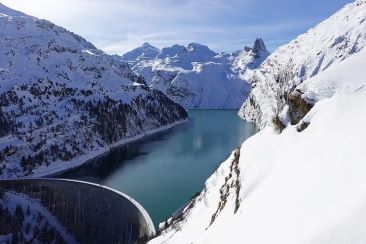
In a world driven by speed, some places invite you to slow down without asking. Tucked away among rolling hills and drifting clouds, Kundala Lake stands as one such retreat. It is not loud or dramatic. Instead, it offers quiet beauty, gentle air, and a rhythm that feels deeply human. Travelers who arrive here often notice the stillness first. The water rests calmly, hills rise without urgency, and the surroundings feel patient. This destination rewards those who value presence over pace and reflection over rush.
The Geographic Soul of the Southern Hills
The lake lies within a highland zone shaped by soft elevations and wide valleys. Unlike sharp mountain ranges, these Banasura Sagar Reservoir hills feel rounded and welcoming. Tea plantations cover long stretches of land, following the contours naturally. Small forests and grasslands fill the spaces between estates. This geography allows open views while still providing a sense of enclosure. The land feels balanced, neither overwhelming nor empty. Every element appears to belong exactly where it is.
Weather Patterns and Their Gentle Influence
Climate defines the experience at Kundala Lake more than attractions do. Cool air dominates most of the year, offering comfort even during warmer seasons. Mornings often begin with mist that slowly lifts, revealing layers of hills. Rainfall arrives generously during monsoon months, deepening greens and feeding streams. Winter brings crisp clarity and quiet nights. These seasonal shifts never feel extreme. Instead, they softly reshape the landscape, giving each visit a unique tone.
Visual Harmony and Natural Stillness
What sets the Kundala Lake apart is visual calm. There is no clutter competing for attention. The water reflects clouds, sky, and surrounding slopes with ease. Light moves slowly across the surface, changing color and depth. Sounds remain minimal, allowing nature to set the mood. This harmony creates an environment where the mind can rest. Visitors often find themselves sitting longer than planned, simply observing.
The Experience of Water at Rest
The lake's surface rarely shows aggression. Even when wind passes through, ripples remain soft. This quality changes how visitors interact with the space. Instead of excitement, the water encourages awareness. Watching reflections shift becomes a form of quiet entertainment. The simplicity of water at rest reminds many travelers of forgotten patience. It proves that beauty does not require constant motion.
Boating as a Mindful Activity
Boating at Kundala Lake feels different from busy tourist lakes. Movements are slow and intentional. Pedal boats glide without noise, allowing riders to feel connected to the surroundings. From the center of the water, hills appear closer and more protective. Time feels stretched, not wasted. This gentle activity appeals to couples, families, and solo travelers alike. It offers engagement without disturbance.
Tea Gardens: Human Effort in Balance with Nature
The surrounding tea estates define the region's character. Rows of bushes follow the land's curves naturally. Workers move steadily through fields, guided by seasons rather than clocks. The scent of fresh leaves fills the air during harvest periods. These plantations represent harmony between livelihood and landscape. Walking along estate roads reveals how human effort can coexist quietly with nature.
Local Communities and Everyday Life
Villages near the lake maintain simple routines shaped by environment. Life moves at a measured pace. Small shops sell essentials, hot tea, and regional snacks. Conversations feel genuine and unhurried. Visitors often sense hospitality without formality. Observing daily life here adds depth to the journey. It reminds travelers that meaningful experiences often exist in ordinary moments.
Best Moments of the Day to Visit
Timing shapes perception. Early mornings offer misty scenes and near silence. Photographers value this soft light and reduced contrast. Late afternoons bring warmth and clearer reflections. Evenings feel introspective, as the area quiets further. Midday highlights colors and textures. Each time of day reveals a different personality, allowing visitors to choose their preferred mood.
Photography Without Pressure
This destination suits photographers who enjoy subtlety. There are no dramatic peaks demanding wide lenses. Instead, compositions emerge naturally. Reflections, cloud movement, and layered hills provide gentle subjects. Even simple frames feel complete. Photography here becomes observational rather than performative. Many travelers put cameras down eventually, choosing to absorb the view directly.
Walking Trails and Gentle Exploration
Short paths around the lake encourage slow movement. These walks require little effort and offer frequent pauses. Views shift gradually, preventing fatigue. Nearby trails through tea estates provide shaded routes. Walking becomes meditative rather than goal-oriented. The absence of urgency allows visitors to explore at their own rhythm.
Responsible Travel and Preservation
The calm environment depends on respectful behavior. Visitors are encouraged to minimize waste and avoid loud activities. Plastic use should remain limited. Staying on marked paths protects vegetation. Supporting local businesses strengthens community ties. Responsible travel ensures the area remains peaceful. Preservation here is not enforced through rules alone. It relies on shared awareness.
Nearby Scenic Additions
The surrounding region offers complementary experiences. Viewpoints provide panoramic looks at valleys and estates. Seasonal waterfalls appear after rainfall, adding movement to the still landscape. Short drives reveal quiet picnic spots and forest edges. These additions enhance the trip without overwhelming it. They maintain the same relaxed tone as the lake itself.
Practical Planning for a Smooth Visit
Preparation remains simple. Comfortable clothing suits the cool climate. Light layers help adjust to changing temperatures. Early starts reduce crowd presence. Carrying water and small snacks is wise. Weather can shift quickly, so flexibility matters. With basic planning, visitors can focus entirely on experience rather than logistics.
Why This Place Attracts Slow Travelers
Not every destination suits fast itineraries. This one rewards patience. It appeals to those who enjoy stillness, observation, and gentle exploration. There are no must-see lists or strict schedules. The environment invites visitors to decide their own pace. Many leave feeling restored rather than exhausted. That emotional outcome defines its value.
Emotional Impact and Mental Clarity
Time spent at Kundala Lake often results in subtle changes. Thoughts slow down. Attention sharpens without effort. The absence of noise allows inner clarity to surface. Visitors frequently describe feeling lighter after leaving. This effect does not come from activities. It comes from atmosphere. The lake acts as a quiet mirror for reflection.
Seasonal Colors and Shifting Textures
Each season paints the landscape differently. Monsoon greens feel deep and saturated. Winter tones appear cooler and clearer. Summer light softens shadows and highlights patterns. These changes affect texture as much as color. The land never feels static. Returning visitors often notice new details previously overlooked.
Solitude Without Isolation
Despite its calm, the area never feels lonely. The presence of local life adds warmth. Other visitors tend to share similar intentions, maintaining quiet respect. This balance creates comfort. One can enjoy solitude without feeling disconnected. That emotional safety encourages longer stays and repeat visits.
Travel With Intention, Not Agenda
The Kundala Lake works best without rigid plans. Arriving with openness allows moments to unfold naturally. Sitting longer than expected becomes normal. Conversations happen spontaneously. Observations replace checklists. Travelers who embrace this mindset often find the experience richer. The lake teaches patience by example.
The Role of Water in Human Calm
Water has long influenced human emotion. Here, its stillness enhances that effect. Watching gentle ripples slows breathing. Reflections draw attention outward, away from internal noise. This subtle influence explains why many visitors feel calmer without understanding why. The lake becomes a quiet companion rather than an attraction.
Conclusion: A Place That Whispers, Not Shouts
A journey to Kundala Lake is defined by subtle rewards. Misty hills, calm water, and gentle air create an atmosphere of balance. There are no grand spectacles demanding attention. Instead, the experience unfolds quietly, leaving space for reflection. For travelers seeking peace, simplicity, and emotional clarity, this highland retreat offers lasting value. It remains a place where nature speaks softly and listeners feel heard.