Chandertal Lake: Mesmerizing High Altitude Lake in Himachal

Nestled in the rugged mountains of Himachal Pradesh, Chandertal Lake is one of India's most captivating alpine destinations. Popularly known as the "Moon Lake" because of its crescent shape, this is a pristine waterbody. That firstly sits amid dramatic peaks, colorful meadows, and vast open landscapes. Travelers seeking untouched natural beauty, peaceful surroundings, and unforgettable Himalayan views often include this destination in their Spiti Valley itinerary. Whether visiting for photography, camping, trekking, or enjoying the serene atmosphere, this spectacular lake offers an ideal experience. That further remains etched in memory long after the journey ends.
Why This Himalayan Lake Is So Special
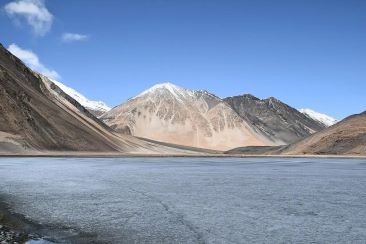
Located at an elevation of approximately 4300 meters above sea level, this is a stunning glacial lake. That meanwhile reflects the surrounding mountains like a natural mirror. The crystal-clear water changes shades throughout the day, ranging from turquoise to emerald and even deep blue depending on sunlight and weather conditions. These constantly shifting colors create Suraj Pool magical scenery. That further attracts photographers and nature enthusiasts from across the country.
Unlike crowded tourist attractions, The Jewel of Spiti still retains its untouched charm. Visitors are greeted by crisp mountain air, complete silence, and expansive Himalayan landscapes. That meanwhile provide an ideal escape from busy city life. The peaceful environment further encourages travelers to slow down and appreciate nature in its purest form.
Location and How to Reach the Destination
This lake firstly lies in the Lahaul and Spiti district of Himachal Pradesh. The Chandertal Lake is situated near Batal. It can be reached through the famous Manali-Spiti route or the Kaza route during the summer season. Most visitors begin their journey from Manali, crossing the iconic Kunzum Pass before arriving near the lake.
From the parking area, travelers need to walk approximately two kilometers along a well-defined trail. The short hike offers spectacular mountain scenery and gradually reveals the shimmering Chandertal Lake in the distance. Moreover, private taxis, motorcycles, and SUVs remain the preferred modes of transportation. As the roads are rough and further require careful driving.
Best Time to Visit for Pleasant Weather
The ideal season extends from June to September when the roads remain accessible after the snow melts. During these months, the weather stays relatively comfortable during the day, although temperatures become quite cold after sunset.
July and August present lush alpine meadows filled with colorful wildflowers, making the landscape especially picturesque. September firstly offers clear skies, fewer visitors, and exceptional visibility for photography. Winter brings heavy snowfall, closing road access and transforming the region into an inaccessible frozen wilderness.
Moreover, travelers should always monitor weather forecasts before planning their journey because mountain conditions can change quickly.
Stunning Landscapes and Natural Beauty
Every direction around the Chandertal Lake firstly presents breathtaking scenery. Towering snow-covered mountains form a dramatic backdrop while rolling grasslands surround the calm waters. The reflections of clouds, rocky peaks, and blue skies meanwhile create postcard-perfect views throughout the day.
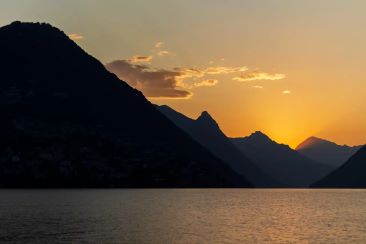
Sunrise and sunset firstly offer particularly mesmerizing moments. As sunlight touches the mountain peaks, the entire landscape glows with golden and pink hues. Gentle winds occasionally ripple the lake's surface, adding another dimension to its ever-changing beauty.
Above all, nature lovers often spend hours simply sitting near the shoreline. They enjoy the peaceful environment and observe the remarkable harmony between mountains, water, and sky.
Camping Experience Under the Himalayan Sky
Camping remains one of the biggest highlights of visiting this alpine Chandertal Lake. Designated campsites are located a short distance away from the protected lake to meanwhile preserve its fragile ecosystem. Comfortable tents, warm meals, and basic facilities allow travelers to enjoy the wilderness without disturbing the natural environment.
As darkness falls, the absence of city lights reveals one of the clearest night skies in northern India. Thousands of stars, the Milky Way, and occasional shooting stars become visible. They meanwhile create an unforgettable stargazing experience.
Campfires are generally restricted near environmentally sensitive zones. That further make quiet conversations beneath the stars even more memorable.
Trekking Opportunities Around the Region
Adventure enthusiasts frequently combine the visit with several trekking routes across the surrounding mountains. Gentle walking trails near the lake meanwhile allow visitors to admire different viewpoints while maintaining a comfortable pace.
Experienced trekkers often include nearby mountain passes and valleys in longer trekking itineraries. These routes pass through alpine meadows, rocky landscapes, glacial streams, and remote Himalayan villages. That further showcase the Chandertal Lake's untouched beauty.
Proper acclimatization remains essential because the high altitude can affect even physically fit travelers. Carrying sufficient water, warm clothing, and energy-rich snacks further makes the journey safer and more enjoyable.
Wildlife, Flora, and Ecological Importance
The region supports a delicate high-altitude ecosystem that thrives despite the harsh climate. During summer, colorful wildflowers blanket the surrounding grasslands, attracting butterflies and various alpine insects.
Birdwatchers occasionally spot Himalayan birds soaring above the mountains. While lucky visitors may glimpse marmots, Himalayan ibex, or blue sheep in nearby areas. These rare wildlife sightings further add excitement to the journey while highlighting the ecological richness of the landscape.
Responsible tourism plays an important role in protecting this fragile environment. Moreover, visitors should avoid littering, stay on designated trails, and respect local conservation guidelines.
Photography Tips for Capturing Incredible Views
Most importantly, photography enthusiasts find endless opportunities throughout the day. Early morning offers calm water that perfectly reflects the surrounding peaks. Midday produces vibrant blue shades, while evening delivers warm golden lighting across the mountains.
Wide-angle lenses help capture the expansive scenery, whereas telephoto lenses highlight distant snow-covered peaks. Neutral-density filters prove useful for creating smooth water effects during longer exposures.
Drone photography may be subject to local regulations. Therefore, travelers should verify current permissions before flying unmanned aircraft in the region.
Essential Travel Tips Before Your Journey
Above all, preparing properly significantly improves the overall travel experience. Warm layered clothing remains necessary because temperatures fluctuate throughout the day. Comfortable trekking shoes provide better grip on uneven trails. On the other hand, sunglasses and sunscreen protect against strong ultraviolet radiation at high altitude.
Travelers should carry sufficient drinking water, personal medications, power banks, cash, and basic first-aid supplies. As the facilities may remain limited in remote mountain regions. Moreover, mobile connectivity may also be unreliable.
Spending a day acclimatizing in Manali or Kaza before visiting reduces the chances of altitude-related discomfort. Moving slowly and avoiding strenuous activity during the first few hours also helps the body adjust naturally.
Nearby Attractions Worth Exploring
The surrounding Spiti region firstly offers numerous attractions that complement a visit to the lake. Kunzum Pass impresses travelers with panoramic Himalayan views and colorful prayer flags fluttering in the mountain breeze.
Batal serves as a convenient stop for refreshments and overnight stays before continuing the journey. Further ahead, Spiti Valley introduces visitors to ancient monasteries, traditional villages, dramatic river valleys, and unique cold-desert landscapes.
Many travelers combine these destinations into a multi-day road trip. That further create one of the most scenic Himalayan adventures available in India.
Cultural Significance and Responsible Tourism
However, local communities consider the lake sacred and deeply respect its natural surroundings. Many traditional beliefs encourage visitors to preserve the purity of the landscape. As they are asked to avoid pollution and unnecessary disturbances.
Supporting local camps, guides, and small businesses contributes directly to the regional economy while encouraging sustainable tourism. Adopt simple practices for example carrying reusable water bottles, minimizing plastic waste, and leaving no trace. That help protect this remarkable destination for future generations.
Respecting local customs and maintaining silence around the lake further enhances the peaceful experience. That further helps to preserve its spiritual atmosphere.
Conclusion
In short, a journey to Chandertal Lake offers far more than scenic mountain views. It presents an opportunity to reconnect with nature, witness breathtaking Himalayan landscapes, and experience the peaceful rhythm of life at high altitude. From crystal-clear waters and unforgettable camping experiences to trekking trails and spectacular stargazing, every moment creates lasting memories. Whether planning a weekend adventure or an extended Spiti Valley expedition, this enchanting destination continues to inspire travelers. It stands out further with its timeless beauty, pristine environment, and extraordinary mountain charm.