Tso Kar Lake: A Tranquil High Altitude Gem in Sikkim
Hidden in the remote Himalayan landscape, Tso Kar Lake is a breathtaking destination that feels untouched by time. Surrounded by rugged mountains, vast plains, and crisp alpine air, this is a high-altitude lake. That offers peace, adventure, and raw natural beauty in equal measure. If you are seeking a serene escape away from crowded tourist circuits, this Himalayan salt lake deserves your attention. In this detailed guide, we explore everything you need to know-from location and accessibility to wildlife, culture, and travel tips. So, you can plan an unforgettable journey.
Where Is Tso Kar Lake Located?
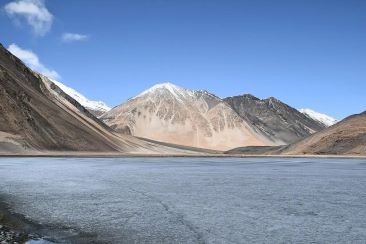
Tso Kar Lake lies in the high-altitude plateau region of the Indian Himalayas, near the border areas connected to Sikkim. It is situated at an elevation of over 4500 meters above sea level. The lake stands among the most dramatic Loktak Wetland alpine landscapes in the region. The terrain surrounding the lake features open plains, marshlands, and distant snow-capped peaks that stretch endlessly toward the horizon.
The remoteness of the Tso Kar Lake adds to its charm. Unlike popular hill stations, this destination remains largely unspoiled and sparsely populated. Travelers often include it in extended Himalayan journeys. That make it ideal for those who want to explore beyond conventional tourist routes while embracing raw mountain beauty.
What Makes This High-Altitude Lake So Unique?
One of the defining features of Tso Kar Lake is its saline composition. That sets it apart from typical freshwater Himalayan lakes. Historically, local communities extracted salt from its waters, giving the lake both ecological and cultural importance. The mineral-rich environment also supports a unique wetland ecosystem that thrives in high-altitude conditions.
On clear days, the lake mirrors the surrounding mountains, creating stunning reflections that appear almost surreal. The combination of deep blue waters, earthy mountain tones, and vast skies produces breathtaking scenery. At this altitude, the air feels exceptionally crisp, and the clarity of light enhances every detail of the landscape. That makes sunrise and sunset especially magical.
Best Time to Visit for Ideal Weather
Planning your visit carefully can make a significant difference in your overall experience. Due to extreme winter conditions, the lake becomes inaccessible for several months each year. Heavy snowfall and freezing temperatures limit travel and camping opportunities during that period.
The most favorable months to visit are between May and September, when roads are relatively stable and temperatures are manageable. During this time, wildlife activity increases and the wetlands appear more vibrant. Clear skies also improve visibility, offering better photography conditions and safer travel across mountain passes.
How to Reach the Lake Comfortably
Reaching this remote destination requires thoughtful preparation and reliable transportation. Most travelers begin their journey through Gangtok, which serves as a major gateway for Himalayan travel in the region. From there, road journeys through rugged terrain connect visitors to the lake's surrounding plateau.
Four-wheel-drive vehicles are highly recommended due to uneven mountain roads. Many adventure seekers prefer motorbike expeditions, while others opt for guided tours to ensure safety and convenience. Weather conditions can change rapidly in high-altitude regions, so checking local updates before departure is essential.
A Paradise for Wildlife and Bird Enthusiasts
The wetlands surrounding the lake are a haven for wildlife lovers and birdwatchers. Migratory birds travel long distances to nest and rest in this protected ecosystem. The region supports species such as black-necked cranes, bar-headed geese, Brahminy ducks, and Himalayan marmots. That make it one of the most ecologically rich high-altitude habitats in the Himalayas.
Nature enthusiasts appreciate the peaceful environment, which allows for uninterrupted observation of animals in their natural setting. Bringing binoculars and a quality camera lens enhances the experience. As the open plains offer clear views of distant wildlife without significant obstructions.
Cultural Influence and Local Traditions
The broader Himalayan region surrounding the lake reflects strong Tibetan Buddhist cultural influences. Small settlements nearby follow traditional lifestyles centered around livestock herding and seasonal trade. Prayer flags often decorate mountain passes, and monasteries scattered across the landscape contribute to the area's spiritual atmosphere.
Visitors can observe how local communities adapt to harsh climatic conditions while maintaining deep-rooted traditions. Respect for cultural practices and mindful interaction with residents enrich the travel experience. Supporting local artisans and small businesses also promotes sustainable tourism within the region.
Camping and Stargazing Experiences
Camping near the lake offers an immersive way to experience its tranquility. The vast openness of the plateau creates ideal conditions for stargazing, as minimal light pollution reveals constellations with remarkable clarity. Watching the night sky unfold above snow-dusted peaks is an unforgettable moment for many travelers.
However, high-altitude camping demands preparation. Temperatures drop sharply after sunset, even during summer months. Proper thermal clothing, insulated sleeping gear, and sufficient supplies are crucial for comfort and safety. Choosing eco-conscious campsites helps preserve the fragile environment.
Photography Opportunities in Every Direction
Few places offer as many photographic opportunities as this high-altitude lake. From early morning reflections to golden hour hues, every shift in light transforms the landscape. The interplay of shadows and textures across the plains creates dynamic compositions that appeal to both amateur and professional photographers.
Wildlife photography is equally rewarding, especially during migratory seasons. The dramatic contrast between the sky and mountain silhouettes adds depth to landscape shots. Patience and timing can result in extraordinary images that capture the raw essence of the Himalayas.
High-Altitude Safety and Travel Preparation
Traveling above 4500 meters requires awareness of altitude-related challenges. Acclimatization is essential to avoid altitude sickness, which can affect even experienced travelers. Spending time adjusting to elevation changes before reaching the lake improves safety and overall comfort.
Staying hydrated, avoiding strenuous activity upon arrival, and carrying necessary medications are practical precautions. Medical facilities are limited in remote mountain regions, so travelers should plan accordingly. Informing family members of travel routes and schedules also enhances safety during the journey.
Sustainable Travel and Environmental Responsibility
The delicate ecosystem surrounding the lake demands responsible tourism practices. High-altitude wetlands are particularly sensitive to human disturbance, and preserving their natural balance is crucial for wildlife survival. Visitors should avoid littering and carry back all waste generated during their stay.
Using reusable bottles, minimizing plastic use, and respecting designated wildlife areas contribute to conservation efforts. Supporting community-based tourism initiatives ensures that economic benefits reach local residents while maintaining ecological integrity. Responsible travel protects this serene destination for future generations.
How It Compares to Other Himalayan Lakes
India's Himalayan belt features several iconic lakes, each with distinct characteristics. For example, Tsomgo Lake is widely visited and easily accessible, attracting tourists throughout much of the year. While it offers scenic beauty, it lacks the solitude that defines Tso Kar Lake.
Another notable destination is Gurudongmar Lake, known for its spiritual importance and striking setting. Although equally stunning, its popularity often means larger crowds. In contrast, the peaceful wetlands and expansive plains surrounding this high-altitude lake create a quieter and more immersive experience.
Why This Himalayan Lake Deserves on Your Bucket List
Tso Kar Lake combines scenic grandeur, ecological diversity, and cultural richness in one remote destination. Its shimmering waters, vast open skies, and abundant birdlife create a setting that feels far removed from urban life. Adventure travelers, photographers, and solitude seekers all find something meaningful here.
Careful planning and mindful travel allow visitors to fully appreciate its untouched charm. You may be exploring the Himalayas for the first time or returning for a deeper journey. This tranquil high-altitude gem offers a rare opportunity as you connect with nature in its purest form.
Conclusion
Tso Kar Lake is more than a scenic landmark. It is a sanctuary of silence and natural beauty nestled within the Himalayan plateau. From its saline waters and migratory birds to its spiritual surroundings and dramatic landscapes, every element offers a memorable experience. With proper preparation and responsible tourism practices, travelers can discover a destination that remains serene, authentic, and profoundly inspiring.