Sambhar Salt Lake: Largest Saltwater Lake in India
India is home to countless natural wonders, but Sambhar Salt Lake is among its few unique destinations. Located in Rajasthan, this is a spectacular inland saltwater lake. That is firstly famous for its vast white salt plains, rich biodiversity, and centuries-old salt production. This lake stretches across a massive landscape. That attracts nature lovers, photographers, birdwatchers, and travelers seeking experiences beyond the usual tourist destinations.
This remarkable destination firstly offers much more than scenic beauty. Visitors can witness traditional salt harvesting, spot thousands of migratory birds, and enjoy breathtaking sunrise and sunset views. That seems Rajsamand Lagoon more charming across shimmering salt flats. Whether you love wildlife, history, or offbeat travel, this lake promises an unforgettable journey. That takes you further to one of India's most fascinating natural landscapes.
What Makes This Lake India's Largest Inland Saltwater Lake?
Situated about 80 kilometers southwest of Jaipur, this saline wetland spreads across nearly 230 square kilometers during favorable seasons. The Sambhar Salt Lake lies between the districts of Jaipur, Nagaur, and Ajmer. That further make it one of Rajasthan's most significant natural landmarks.
The lake receives water from several seasonal rivers, including Mendha, Rupangarh, Kharian, Khandela, and Samod. Since there is no outlet, minerals gradually accumulate over centuries, creating highly saline water. This natural process has made this lake the Largest Inland Salt Lake of India and most productive salt-producing regions. That further supports a rare wetland ecosystem.
A Rich History Connected to Salt Trade
The history of the remarkable Sambhar Salt Lake dates back thousands of years. Ancient legends associate it with the goddess Shakambhari Devi, whose temple continues to attract pilgrims throughout the year. Historical records also reveal that salt production here has been an important economic activity since ancient times.
During the medieval period, various Rajput kingdoms controlled the region because of its immense commercial value. Later, British authorities modernized salt extraction while expanding railway connectivity. Today, the lake remains one of India's major sources of edible and industrial salt, preserving a centuries-old tradition.
The Fascinating Science Behind Salt Formation
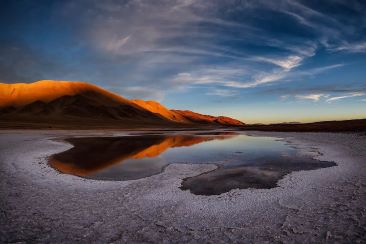
Unlike freshwater lakes, saline lakes contain dissolved minerals that remain after water evaporates. Rajasthan's hot climate accelerates evaporation, leaving behind thick layers of crystallized salt across the lakebed. These natural conditions make the region ideal for large-scale salt production.
Traditional salt farmers firstly channel saline water into shallow evaporation ponds. As the water slowly evaporates under intense sunlight, sparkling white salt crystals begin to form. This simple yet effective process has supported local communities for generations while supplying salt across the country.
Sambhar Salt Lake and Its Thriving Birdlife
One of the biggest attractions of Sambhar Salt Lake is firstly its incredible bird population. Every winter, thousands of migratory birds travel from Central Asia, Europe, and Siberia to this protected wetland.
Visitors commonly spot flamingos, pelicans, avocets, stilts, spoonbills, gulls, cranes, and numerous species of ducks. The shallow waters meanwhile provide abundant food. That further makes the lake one of Rajasthan's finest birdwatching destinations. Bird photography enthusiasts often spend entire days capturing spectacular flocks against the white salt landscape.
Major Attractions Around the Lake
The surrounding region of Sambhar Salt Lake offers several fascinating attractions beyond the salt fields. Here, the Shakambhari Mata Temple is among the area's oldest pilgrimage sites. It further draws devotees from different parts of Rajasthan throughout the year.
Visitors can meanwhile explore old railway tracks used for transporting salt, traditional salt pans, watchtowers, and nearby villages. There, local artisans continue age-old crafts. The panoramic viewpoints surrounding the lake provide unforgettable scenery, especially during sunrise and sunset. At that time, the salt flats glow with golden colors.
Best Time to Visit for the Perfect Experience
The ideal time to visit Sambhar Salt Lake falls between October and March. During these cooler months, pleasant temperatures make sightseeing comfortable while migratory birds arrive in large numbers. That further creates excellent wildlife viewing opportunities.
Summer temperatures often exceed 45 degrees Celsius, making outdoor exploration challenging. The monsoon season brings temporary water inflow that transforms the landscape. But, accessibility to some salt fields may become limited. Moreover, winter remains the most rewarding season for both sightseeing and photography.
Activities Every Visitor Should Experience
Photography ranks among the most popular activities because the endless white landscape creates dramatic visual compositions. The changing colors of the sky during sunrise and sunset make every photograph look extraordinary.
Birdwatching is another unforgettable experience, particularly during winter migration. Travelers can also observe traditional salt harvesting techniques and can meanwhile enjoy peaceful nature walks. They can explore nearby temples, and learn about local culture through interactions with salt workers. As they are practicing this craft for generations.
Importance for Rajasthan's Economy and Environment
The lake contributes significantly to Rajasthan's economy through large-scale salt production. Thousands of workers depend directly or indirectly on the salt industry for their livelihoods. Various grades of salt produced here support household consumption, chemical industries, and livestock needs across India.
Environmentally, the wetland serves as an important habitat for migratory birds and native wildlife. Conservation efforts continue to further balance industrial activity with ecological preservation. Sustainable management remains essential to protect both biodiversity and local employment for future generations.
Travel Tips for a Comfortable Visit
Planning ahead further helps visitors enjoy a safe and memorable experience. Wear comfortable walking shoes because the salt flats can be uneven and reflective. Carry sunglasses, sunscreen, drinking water, and a hat to protect yourself from strong sunlight throughout the day.
Photography enthusiasts should bring wide-angle lenses and extra batteries. Early morning and late afternoon provide softer lighting while avoiding the harsh midday sun. Respect wildlife by maintaining a safe distance from nesting birds and avoiding unnecessary disturbance.
Nearby Places Worth Exploring
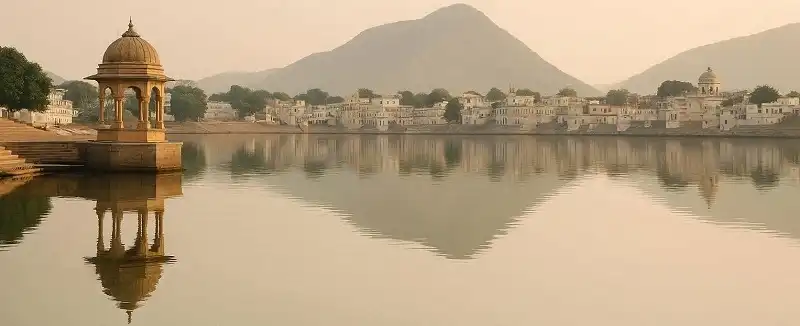
The region around the lake offers several interesting destinations for travelers extending their itinerary. Jaipur provides magnificent forts, vibrant markets, and royal palaces within a short drive. Ajmer meanwhile attracts pilgrims with its famous shrine. On the other hand, Pushkar is known for its sacred lake and colorful cultural atmosphere.
Smaller villages surrounding the wetland also offer authentic rural experiences. Visitors can witness traditional lifestyles, local handicrafts, and regional cuisine that reflect Rajasthan's rich cultural heritage. Combining these destinations creates a rewarding travel circuit for history lovers and nature enthusiasts alike.
Why This Natural Wonder further Deserves a Place on Your Travel List.
Few places combine natural beauty, industrial heritage, wildlife, and cultural significance as beautifully as Sambhar Salt Lake. The endless white salt plains create an almost surreal landscape that feels completely different from typical tourist destinations. Every season offers new experiences, from colorful migratory birds to sparkling salt crystals.
You may be an adventure traveler, wildlife photographer, history enthusiast, or family vacationer. This remarkable destination meanwhile provides something memorable. Its unique ecosystem and centuries-old traditions continue to make it one of Rajasthan's most extraordinary attractions.
Conclusion
A visit to this remarkable saline wetland reveals an extraordinary blend of nature, culture, history, and industry. It goes from witnessing traditional salt harvesting to watching graceful flamingos soar above shimmering white landscapes. In short, every moment offers something unique. The combination of scenic beauty and ecological importance makes the destination stand apart from many other Indian attractions.
If you are planning a journey through Rajasthan, Sambhar Salt Lake deserves a prominent place on your itinerary. Its breathtaking landscapes, rich biodiversity, and fascinating heritage promise an ideal experience. That further remains unforgettable long after your trip ends.