Rajsamand Lake: Historic and Picturesque Lake in Rajasthan
In the dry landscapes of southern Rajasthan, water has always shaped survival, power, and culture. One extraordinary reservoir is Rajsamand Lake stands as proof of this deep relationship. This lake is not merely a scenic attraction. It is a living monument to foresight, resilience, and artistic excellence. Built centuries ago, it continues to nourish land, inspire travelers, and preserve stories carved in stone. Exploring this destination means understanding how nature and human ingenuity worked together long before modern technology.
The Vision of a Forward-Thinking Ruler
The reservoir was commissioned by Maharana Raj Singh, one of the most respected rulers of the Mewar dynasty. His reign focused on welfare, stability, and cultural growth. Droughts frequently threatened the region. Water scarcity affected farmers and settlements alike. The ruler envisioned a permanent solution rather than temporary relief. This ambitious project Fatehsagar Backwater reflected responsibility toward both people and environment. It transformed governance into a legacy that still endures.
Strategic Location in the Aravalli Landscape
Southern Rajasthan is marked by rocky hills and seasonal streams. The site was carefully chosen near present-day Rajsamand district. Natural slopes helped channel rainwater efficiently. Surrounding hills acted as catchment zones. This geographical advantage ensured consistent storage during monsoons. The placement shows a deep understanding of terrain. Such planning minimized evaporation and maximized water retention.
A Masterclass in Traditional Engineering
The construction techniques used were advanced for their time. Massive stone embankments were layered without modern cement. Gravity-based flow systems regulated water levels. Spillways prevented flooding during heavy rainfall. Every structural element served a purpose. Durability was prioritized over speed. Centuries later, the reservoir remains functional. Engineers today still study these methods. The design proves that sustainability existed long before the term became popular.
Marble Inscriptions as Stone Chronicles
One of the most remarkable features of Rajsamand Lake is the series of marble slabs lining the embankment. These inscriptions record royal achievements, military victories, and charitable acts. Written in Sanskrit, they span several meters. They are among the longest epigraphic records in the world. Unlike fragile manuscripts, stone preserved these stories. Visitors can literally read history carved into architecture. This fusion of art and documentation is rare and powerful.
Artistic Elements and Aesthetic Balance
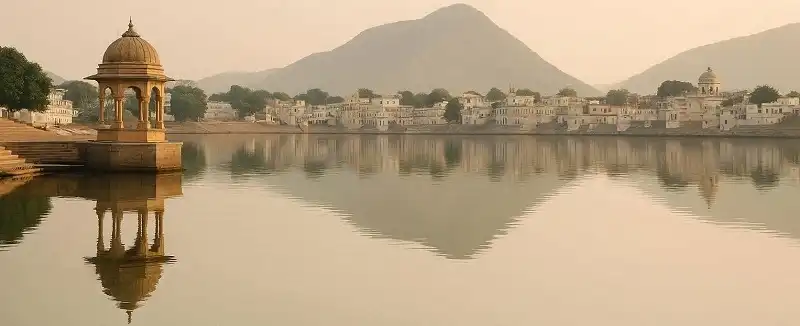
Beyond inscriptions, the structure includes pavilions, steps, and viewing platforms. White marble contrasts beautifully with blue water. Symmetry creates visual harmony. The design balances grandeur with restraint. Nothing feels excessive. Art here complements function. Even decorative elements contribute to stability and access. This thoughtful integration reflects refined Rajput taste and discipline.
The Reservoir's Role in Regional Economy
For centuries, the stored water supported agriculture across nearby villages. Crops depended on controlled irrigation. Livestock thrived due to reliable supply. Groundwater levels improved over time. Even today, the reservoir contributes to local farming cycles. It stands as an example of infrastructure driving economic stability. Water management here directly influenced prosperity and settlement patterns.
Spiritual and Cultural Connections
Water bodies in India often carry sacred meanings. The Rajsamand Lake reservoir is no exception. Local communities associate it with blessings and protection. Rituals are performed along the banks during festivals. Oral traditions link the water to divine grace. Folk songs mention the generosity of the ruler and abundance brought by the reservoir. Culture here flows as steadily as the water itself.
Seasonal Transformations and Natural Beauty
Each season offers a different experience. Monsoons fill the basin to the brim. The landscape turns lush and vibrant. Winters bring migratory birds seeking refuge. Calm mornings reflect hills like mirrors. Summers reveal dramatic contrasts between stone and sky. Photographers find endless inspiration. Nature softens the monumental scale with subtle beauty.
A Haven for Slow and Mindful Travel
Unlike crowded tourist hubs, the atmosphere here remains peaceful. Visitors often come to walk, observe, and reflect. Silence is part of the experience. The setting encourages slow exploration. There is no rush. This makes the destination ideal for heritage enthusiasts and solitude seekers. Mindful travel aligns perfectly with the spirit of the place.
Connection to the Wider Mewar Heritage
The reservoir forms part of the broader cultural landscape of Mewar. This region is known for its forts, temples, and warrior traditions. Travelers often combine visits with Udaipur, the former capital of the kingdom. Together, these sites narrate stories of resilience and pride. The lake adds an essential chapter focused on public welfare.
Conservation Challenges in the Modern Era
Urban growth and tourism create new pressures. Pollution and encroachment threaten water quality. Climate change affects rainfall patterns. Authorities now focus on conservation programs. Awareness campaigns educate visitors and locals. Responsible behavior is strongly encouraged. Protecting such heritage requires collective effort. Preservation ensures that history continues to teach future generations.
Lessons in Sustainable Living
This reservoir offers valuable lessons for modern society. Long-term thinking outweighs short-term gains. Respect for nature leads to stability. Community welfare strengthens governance. The project shows how infrastructure can serve both utility and beauty. These principles remain relevant today. Sustainability is not a modern invention. It is a rediscovered wisdom.
The Experience Beyond Sightseeing
A visit to Rajsamand Lake is not about ticking attractions off a list. It is about understanding relationships between rulers and subjects. It reveals how water shaped politics and culture. Standing by the embankment, one senses continuity across centuries. The experience feels intimate and profound. Few places offer such layered meaning.
Educational Value for History Enthusiasts
Students of history, architecture, and environmental studies find this site invaluable. It provides real-world examples of ancient governance. Epigraphy, hydrology, and design converge in one location. Learning becomes immersive rather than theoretical. The reservoir functions as an open-air classroom. Knowledge here is tangible and enduring.
Why the Reservoir Remains Relevant Today
In an age of water crises, this structure stands as inspiration. It proves that thoughtful planning can withstand time. The reservoir continues to support livelihoods. Its cultural importance remains intact. Relevance here is not symbolic. It is practical and ongoing. Past wisdom directly benefits the present.
Conclusion: A Timeless Symbol of Water and Wisdom
Rajsamand Lake represents far more than stored rainwater. It embodies leadership, sustainability, and artistic excellence. Every stone tells a story of care for land and people. The reservoir connects history with modern relevance seamlessly. Visiting it deepens appreciation for traditional knowledge. It remains a silent teacher, reminding us that true progress respects both nature and heritage.