Hemkund Lake: Sacred High Altitude Lake in Uttarakhand
High above the tree line, where oxygen thins and silence grows deeper, lies one of Uttarakhand's most spiritually charged destinations. Nestled among snowbound Himalayan peaks, the Hemkund Lake is an alpine water body. That draws pilgrims, trekkers, photographers, and seekers of inner peace. The journey is steep, the air is cold, and the path is demanding. Yet, every step feels purposeful. The sacred aura, dramatic landscape, and shared reverence across faiths make it a destination that transcends ordinary travel and becomes a life experience.
Location and Himalayan Setting
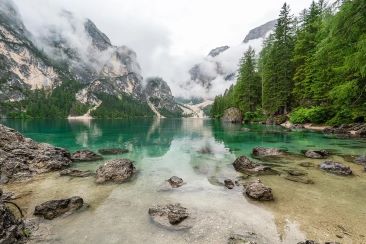
Situated in the Chamoli district of Uttarakhand, this sacred site rests deep within the Garhwal Himalayas. The surrounding terrain is rugged and raw. Massive peaks encircle the lake like silent guardians. The altitude exceeds 4300 meters, placing it among India's highest revered pilgrimage sites. Snow blankets the Chamera Reservoir region for most of the year. During the brief summer thaw, the landscape transforms into a striking mix of ice, rock, and alpine greenery.
The Meaning Behind the Name
The name of Hemkund Lake carries deep symbolism. “Hem” refers to snow, while “kund” means bowl or lake. Together, the name reflects a snow-fed water body cradled by glaciers. The clarity of the water enhances this meaning. Even during peak season, the lake retains an icy blue tone. Its stillness mirrors the surrounding peaks, reinforcing the idea of nature as a sacred vessel.
Significance in Sikh Spiritual History
For Sikhs, this site holds extraordinary importance. It is believed that Guru Gobind Singh Ji meditated here in a previous life. The gurudwara beside the lake commemorates this belief. During the open months, thousands of devotees make the arduous climb. They chant prayers, sing hymns, and serve langar despite extreme conditions. Faith fuels every step of the journey.
Importance in Hindu Belief Systems
Hindu mythology also reveres the Hemkund Lake. It is associated with Lokpal, a divine protector. Ancient texts and oral traditions speak of sages meditating in this high-altitude region. The nearby valley and surrounding peaks appear frequently in local folklore. This shared spiritual importance creates a rare interfaith harmony. Visitors often sense a deep, inclusive sacredness in the atmosphere.
The Trekking Route Explained
The journey of Hemkund Lake begins at Govindghat, a small town near Joshimath. From there, travelers trek to Ghangaria, which serves as the base camp. The next stretch involves a steep climb of about six kilometers. The trail is paved but relentless. Mule services are available, yet many choose to walk. Snow patches appear even in summer. The climb demands stamina, patience, and respect for altitude.
Physical and Mental Preparation
This is not a casual walk. The altitude affects breathing and energy levels. Travelers should spend time acclimatizing at lower elevations. Light exercise before the trip helps build endurance. Mental readiness is equally important. Weather changes rapidly, and crowds can be heavy. A calm mindset makes the journey smoother and safer.
Best Time to Plan Your Visit
Access remains limited to a few months each year. The route usually opens in late May. It closes by early October due to snowfall. June and July see the highest footfall. August brings monsoon clouds and occasional rain. September offers clearer skies and fewer pilgrims. Each month provides a distinct experience shaped by weather and crowd levels.
Weather Conditions at High Altitude
Even in summer, temperatures stay low. Daytime weather may feel comfortable under sunlight. Once clouds roll in, cold winds dominate. Nights are freezing. Sudden hailstorms or snowfall are not uncommon. Carrying layered clothing is essential. Waterproof gear protects against unpredictable rain and slush.
Alpine Flora Around the Lake
Despite harsh conditions, life thrives here briefly. During summer, alpine flowers bloom across the slopes. The rare Brahma Kamal appears among rocky terrain. Mosses, lichens, and hardy grasses cling to the soil. This short-lived burst of color contrasts sharply with the surrounding snowfields. Botanists and nature lovers find the region fascinating.
Wildlife in the Region
Due to altitude and human presence, wildlife sightings remain limited. However, the broader valley supports Himalayan species. Blue sheep, snow foxes, and rare birds inhabit nearby zones. Early mornings and quieter days increase chances of sightings. Observing from a distance preserves both safety and ecological balance.
The Gurudwara Experience
The gurudwara near the Hemkund Lake stands as a symbol of resilience and devotion. Built to withstand extreme conditions, it operates only during summer. Volunteers manage food, shelter, and prayer services. The warmth inside contrasts with the icy surroundings. Sitting quietly during prayers often becomes the emotional highlight of the journey.
Photography and Visual Grandeur
The landscape offers dramatic photographic opportunities. Snow peaks reflect perfectly on calm water. Clouds drift low, creating ever-changing scenes. Early mornings provide soft light and fewer crowds. The contrast between human devotion and vast nature adds depth to every frame. Respectful photography ensures the sanctity remains intact.
Cultural Harmony and Shared Faith
One of the most remarkable aspects of this destination is its shared reverence. Sikh pilgrims, Hindu devotees, trekkers, and international travelers walk the same path. Mutual respect defines interactions. Conversations flow easily despite physical exhaustion. This unity enhances the spiritual energy of the journey.
Environmental Sensitivity of the Area
The ecosystem at Hemkund Lake is fragile. Waste management becomes a serious challenge during peak season. Authorities enforce strict cleanliness rules. Plastic usage is discouraged. Visitors are expected to carry back all waste. Preserving the environment ensures future generations can experience the same purity.
Responsible Travel Practices
Travelers should minimize environmental impact. Reusable water bottles reduce waste. Staying on designated paths prevents soil erosion. Loud behavior disrupts both wildlife and spiritual ambiance. Responsible actions protect the region's delicate balance. Every visitor shares responsibility for preservation.
Health and Safety Considerations
Altitude sickness is a genuine risk. Symptoms include headache, nausea, and dizziness. Descending immediately helps if symptoms worsen. Carrying basic medicines is advisable. Staying hydrated supports acclimatization. Ignoring warning signs can lead to serious complications.
Accommodation Options Nearby
Ghangaria offers basic lodging. Options include guesthouses, dormitories, and budget hotels. Comfort remains simple due to location. Facilities focus on warmth and rest. Advance booking during peak season avoids inconvenience. Luxury is absent, but hospitality feels sincere.
Food and Nutrition on the Route
Meals remain simple and vegetarian. Dal, rice, roti, and tea dominate menus. High-energy snacks help during the trek. The langar at the gurudwara provides nourishment regardless of background. Eating light but frequently supports stamina at altitude.
Local Economy and Livelihoods
Tourism supports local communities. Mule operators, shopkeepers, guides, and lodge owners depend on the pilgrimage season. Responsible tourism sustains these livelihoods. Fair pricing and respectful interactions strengthen local economies. Every visitor contributes indirectly to regional welfare.
Mythology and Oral Traditions
Local stories enrich the experience. Elders share legends of divine appearances and ancient sages. These tales connect landscape with belief. Listening to them adds cultural depth. Mythology blends seamlessly with natural grandeur here.
Emotional Impact of the Journey
Many travelers describe a sense of transformation. Physical exhaustion strips distractions away. Silence encourages reflection. Reaching the lake often triggers tears, gratitude, or calm acceptance. The experience leaves lasting emotional impressions long after descent.
Comparing With Other High-Altitude Pilgrimages
Unlike more accessible sites, this journey demands effort. The challenge enhances spiritual fulfillment. The setting feels less commercial. Nature dominates over infrastructure. These qualities distinguish it from other Himalayan pilgrimages.
Travel Tips for First-Time Visitors
Start early in the morning to avoid weather shifts. Walk at a steady pace. Avoid rushing. Carry identity documents and permits if required. Respect religious customs. Listen to local advice. Preparation ensures safety and deeper enjoyment.
Sustainable Tourism Initiatives
Authorities and volunteers promote eco-friendly practices. Awareness boards line the trail. Cleanup drives operate after peak season. These initiatives aim to protect the fragile ecosystem. Supporting them preserves the destination's sanctity.
Why This Destination Feels Timeless
The combination of altitude, faith, and isolation creates timelessness. Modern distractions fade away. Ancient traditions feel alive. Nature dictates rhythm and pace. This rare balance makes the experience unforgettable.
Conclusion: A Journey Beyond Travel
This sacred Himalayan destination offers more than scenic beauty. It challenges the body, humbles the mind, and elevates the spirit. The climb teaches patience. The silence teaches reflection. Visiting Hemkund Lake becomes a pilgrimage not only across mountains, but within oneself.