Chamera Lake: Scenic Reservoir Amid Himachal Hills
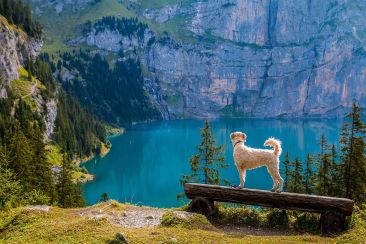
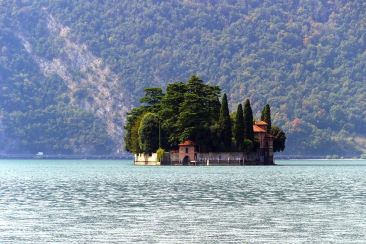
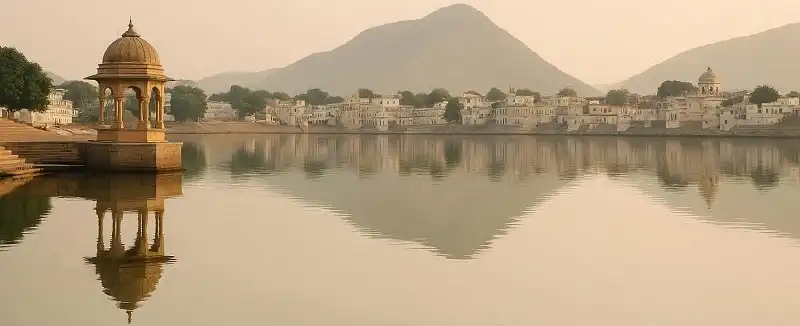
Hidden within the rolling hills of Himachal Pradesh, Chamera Lake feels like a quiet pause in a fast-moving world. This vast reservoir rests calmly between forested slopes and winding mountain roads. Travelers often discover it while heading toward Dalhousie or Chamba, yet many are surprised by its scale and serenity. The moment you see the water stretching into the distance, the pace of travel slows naturally. The air feels cooler, the sounds feel softer, and the landscape invites unhurried exploration. This destination is not about ticking attractions off a list. It is about soaking in calm Himalayan beauty.
1. Location and Geographic Charm of the Region
The reservoir lies in the Chamba district, surrounded by mid-Himalayan ranges. The Ravi River feeds these waters, carving a broad valley through steep hillsides. Dense pine and deodar forests line the slopes, creating layers of green that change shade with light. Clouds often drift low, touching the water surface. The geography adds depth to every view. Sharp bends in Dehnasar Pool the road suddenly open to wide panoramas. This dramatic setting makes the area visually rewarding even before reaching the shoreline.
2. The Story Behind the Reservoir's Creation
The Chamera Lake formed as part of a hydroelectric project designed to meet regional energy needs. Over time, the functional structure transformed the valley's appearance. The rising water submerged old paths and created new shorelines. Nature slowly adapted. Trees framed the edges, birds returned, and reflections became part of the landscape. Today, visitors rarely think of turbines and power lines. Instead, they see a calm expanse shaped by both human planning and natural resilience.
3. Changing Colors Through the Seasons
Each season reshapes the mood of the reservoir. Spring brings fresh greenery and clear skies. Summer keeps temperatures mild, making outdoor exploration comfortable. Monsoon months turn the hills vibrant, with clouds creating dramatic scenes. Water levels rise, enhancing the lake's scale. Autumn delivers crisp air and golden light. Winter brings silence, mist, and distant snow-covered peaks. The scenery never feels repetitive. Even frequent visitors notice new details each time.
4. The Journey as Part of the Experience
Reaching the Chamera Lake feels like a slow reveal. Roads curve gently along cliffs and valleys. Every turn offers a different perspective. Small villages appear briefly, then disappear behind bends. The drive from Dalhousie or Chamba feels especially scenic. Travelers often stop multiple times just to admire views. Unlike crowded highways, traffic remains light. This journey prepares visitors mentally for the calm that follows.
5. Best Time to Plan Your Visit
The most comfortable period runs from March to June. Weather remains pleasant, and visibility stays high. Monsoon season adds lush beauty but demands cautious driving. Post-monsoon months feel fresh and quiet. Winter appeals to travelers who enjoy solitude and cold air. Snowfall nearby enhances the mountain atmosphere. Choosing the right time depends on personal preference rather than strict limitations.
6. Boating and Water Exploration
One of the most engaging activities at Chamera Lake involves gentle water exploration. Paddle boats allow slow movement across the surface. Motorboats cover wider areas quickly. From the water, the hills appear taller and closer. Reflections ripple softly with movement. Safety arrangements remain basic but reliable. These rides offer a different perspective than roadside viewpoints. Floating quietly often becomes the most memorable moment of the visit.
7. Peaceful Spots for Reflection and Relaxation
Not every traveler seeks activity. Many come simply to sit and observe. Quiet stretches along the road provide natural viewpoints. The sound of wind through trees replaces city noise. Writers, readers, and thinkers find inspiration here. Even short stops feel restorative. This destination rewards those who slow down. Silence becomes an experience rather than an absence of sound.
8. Photography and Visual Storytelling
Photographers appreciate the layered composition of water, hills, and sky. Morning light creates soft contrasts. Mist adds depth and mystery. Midday brings clarity and color. Evenings deliver warm hues reflecting off the surface. Wildlife sightings occasionally add surprise elements. Both amateur and experienced photographers find endless frames. The landscape does much of the work itself.
9. Birdlife and Natural Biodiversity
The surrounding forests support varied bird species. Early mornings reveal calls echoing across the valley. Migratory birds appear during certain seasons. Butterflies and insects add subtle movement. Aquatic life thrives beneath the surface. While not a designated wildlife sanctuary, the ecosystem feels balanced. Observant visitors notice how nature quietly flourishes here.
10. Nearby Destinations That Add Value
Dalhousie offers colonial-era charm and viewpoints. Khajjiar's open meadow contrasts with dense forests. Chamba town introduces temples, museums, and markets. These nearby spots add cultural and visual variety. Travelers often combine these places into a single itinerary. The reservoir serves as a calm anchor between busier attractions.
11. Cultural Impressions of the Region
Life at Chamera Lake moves at a gentle pace. Locals greet visitors warmly but without urgency. Traditional Himachali values remain strong. Simple lifestyles reflect respect for nature. Festivals bring color and community spirit. Conversations feel unforced and genuine. This cultural backdrop enhances the overall travel experience.
12. Local Cuisine and Food Experiences
Food in the region reflects mountain simplicity. Lentils, rice, and seasonal vegetables dominate meals. Spices remain balanced rather than heavy. Tea stalls along roads offer warmth and rest. Some eateries serve traditional dishes during festivals. Eating here feels nourishing rather than indulgent. The focus stays on comfort and flavor.
13. Accommodation Choices for Different Travelers
Most visitors stay in Dalhousie or nearby towns. Options range from budget guesthouses to comfortable hotels. Homestays offer personal interaction and local insight. Rooms often provide valley or mountain views. Nights remain quiet and cool. Booking ahead helps during peak seasons. Hospitality feels sincere and welcoming.
14. Ideal Activities for Slow Travelers
This destination suits those who enjoy mindful travel. Walking short stretches feels refreshing. Journaling by viewpoints becomes natural. Yoga and meditation sessions feel deeply connected to surroundings. Short nature walks reveal small details often missed. The environment encourages presence rather than constant movement.
15. Responsible Travel and Environmental Awareness
Visitors play a role in preserving this calm setting. Avoiding litter remains essential. Respecting wildlife ensures balance. Supporting local businesses benefits communities. Using reusable items reduces waste. Conscious choices help maintain the area's charm. Responsible travel ensures future visitors enjoy the same peace.
16. Travel Tips for First-Time Visitors
Carry layered clothing for changing weather. Comfortable shoes help on uneven paths. Keep water and light snacks handy. Mobile connectivity may fluctuate. Cash remains useful in smaller areas. Plan daylight travel for mountain roads. These simple tips prevent unnecessary stress.
17. Why This Destination Appeals to All Ages
Families enjoy safe boating and open views. Couples appreciate romantic settings and quiet moments. Solo travelers find reflection and inspiration. Seniors value gentle walks and fresh air. Adventure seekers enjoy scenic drives. The destination adapts to different travel styles naturally.
18. Emotional Impact of the Landscape
Beyond visuals, the place leaves an emotional imprint. Calm waters mirror inner stillness. Mountains remind visitors of scale and patience. Time feels less rushed. Many travelers recall the silence long after leaving. This emotional connection defines the experience more than activities.
19. Lesser-Known Aspects Worth Noticing
Small roadside temples reflect local faith. Morning fog creates fleeting art. Fishermen routines show harmony with nature. Seasonal flowers bloom briefly but beautifully. Observing these subtle details enriches the visit. They reward attentive travelers.
20. A Place That Encourages Return Visits
Many destinations impress once. This reservoir invites return. Each visit feels slightly different. Changing seasons alter mood and color. Personal perspectives evolve with time. The place grows with the traveler. That quality makes it special.
Conclusion: A Himalayan Retreat for the Mind
Chamera Lake represents more than a scenic reservoir. It embodies quiet Himalayan balance. Water, hills, and sky exist in harmony. The experience encourages slowing down. Travelers leave with lighter thoughts and deeper appreciation. In a world filled with noise, this destination offers rare stillness. It remains etched in memory long after the journey ends.