Koyna Lake: Majestic Reservoir in Maharashtra Western Ghat
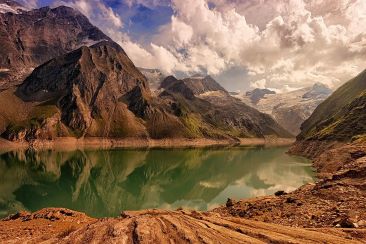
Tucked away in the heart of the Sahyadri mountain range lies a vast stretch of water named as Koyna Lake that feels almost timeless. Surrounded by dense forests, rolling hills, and deep valleys, this reservoir reflects the raw beauty of the Western Ghats. Unlike crowded tourist destinations, the area offers space, silence, and an unfiltered connection with nature. The calm surface, broken only by wind or birds in flight, creates a setting. That encourages slow travel and mindful exploration. This guide takes you through its geography, history, ecology, and travel experiences. That reveal why this destination remains one of Maharashtra's most underrated natural wonders.
A Remarkable Location in the Sahyadri Range
The reservoir is located in Satara district, deep within the Western Ghats. This mountain system is recognized globally for its ecological importance. Steep slopes, narrow passes, and thick forest cover define the terrain. The water body Bhandardara Reservoir stretches across valleys that were once carved by a free-flowing river. Today, these valleys hold shimmering water that changes color with the sky. Morning mist often blankets the hills, creating dramatic silhouettes. The remoteness of the location has protected it from rapid urban growth, preserving its wild charm.
Formation and Historical Importance
The creation of the Koyna Lake followed the construction of one of India's most significant hydroelectric projects. The dam altered the landscape while meeting the region's growing power needs. Built with advanced engineering methods, the structure was designed to endure seismic activity common to the area. Over time, the reservoir became more than an energy source. It transformed into a vital part of the local ecosystem. Its formation reshaped settlements, agriculture, and transport routes. Today, it stands as a reminder of how infrastructure can coexist with nature when carefully planned.
Engineering That Blends With Nature
The dam associated with the reservoir is often studied for its design and scale. It channels water through tunnels carved deep into the mountains. These tunnels feed underground powerhouses, reducing surface disruption. From above, the structure appears modest against towering hills. This subtle integration helps preserve scenic continuity. Travelers often admire how human innovation complements natural forms here. The engineering does not dominate the view. Instead, it supports the region quietly, allowing forests and water to remain the focal points.
Changing Landscapes Across Seasons
Each season paints the Koyna Lake reservoir differently. During the monsoon, heavy rainfall fills the basin to capacity. Waterfalls emerge from cliff faces, and streams rush into the lake. The surrounding hills glow in deep green shades. Winter brings crisp air and clearer skies. Reflections become sharper, and mornings feel serene. Summer reveals rocky edges as water levels recede slightly. Colors shift to earthy tones, and sunsets appear warmer. These seasonal changes ensure that no two visits feel the same.
Forests That Define the Region
Dense forests surround the water on almost every side. These forests consist of evergreen, semi-evergreen, and deciduous species. Tall trees form natural canopies, keeping the forest floor cool. Ferns, mosses, and climbers thrive in shaded zones. The diversity of plant life supports countless insects and animals. Many plants have medicinal value and are used by local communities. Walking through these forests feels immersive. The air carries the scent of wet earth and leaves, enhancing the sensory experience.
Wildlife Habitat and Biodiversity
The reservoir lies close to protected wildlife zones, making it an important ecological corridor. Animals rely on the water source, especially during dry months. Deer often approach the banks at dawn. Monkeys move through treetops with ease. Predators remain elusive but present within deeper forest sections. Birdlife is especially vibrant. Waterbirds, raptors, and forest species coexist here. Migratory birds arrive during winter, adding to the variety. Responsible observation helps protect these species and their habitat.
Birdwatching Opportunities
Bird enthusiasts find the Koyna Lake particularly rewarding. The quiet surroundings allow calls and movements to stand out. Kingfishers hover near the surface before diving for fish. Herons stand motionless along shallow edges. Eagles soar above, scanning the terrain. Smaller songbirds fill the forests with sound during early hours. Binoculars enhance the experience, though patience matters more. Early mornings and late afternoons offer the best sightings. Avoid sudden movements and noise to enjoy uninterrupted observation.
The Role of Water in Local Life
Water from the reservoir supports communities far beyond its immediate surroundings. It contributes to irrigation networks and power generation. Farmers depend on controlled water release for crops. Villages nearby have adapted their lifestyles around seasonal changes in water levels. Fishing provides limited livelihood opportunities under regulated conditions. The reservoir also influences local climate patterns. Cooler temperatures and increased humidity shape agriculture and vegetation. This interdependence highlights the importance of sustainable water management.
Travel Routes and Accessibility
Reaching the area requires planning. Roads wind through ghats, offering scenic drives with sharp turns. The journey itself becomes part of the experience. Public transport options remain limited, making private vehicles more convenient. During monsoon months, landslides or fog may slow travel. Checking weather conditions before departure helps ensure safety. Despite the effort involved, the destination rewards travelers with unmatched tranquility. The sense of arrival feels earned and memorable.
Ideal Time for Visitors
Timing plays a key role in shaping your visit to Koyna Lake. Monsoon season transforms the landscape into a lush paradise. However, heavy rains can restrict movement. Winter months provide the most balanced experience. Weather remains cool, and access improves. Summer attracts fewer visitors, offering solitude but warmer conditions. October through February suits most travelers. Planning around festivals or local events can also enrich cultural exposure. Choosing the right season aligns comfort with visual appeal.
Activities That Suit the Setting
This destination encourages slow and mindful activities. Long walks along viewpoints reveal panoramic scenes. Photography remains popular due to changing light and reflections. Picnics work well in designated safe areas. Some visitors enjoy journaling or meditation near the water. Trekking routes nearby lead to forts and forest clearings. Adventure activities remain minimal to protect the ecosystem. The focus stays on appreciation rather than entertainment, making the experience deeply personal.
Photography and Visual Storytelling
Photographers find endless inspiration here. Wide-angle shots capture sweeping water curves and hills. Telephoto lenses highlight birds and distant ridges. Sunrise and sunset provide dramatic lighting conditions. Fog adds mystery during early hours. Reflections double visual impact on calm days. Seasonal variation ensures diverse compositions. Respecting wildlife and local guidelines ensures ethical photography. Capturing the mood matters more than chasing dramatic scenes.
Nearby Forts and Heritage Sites
The Western Ghats host several historic forts within driving distance. These structures reflect Maratha history and military strategy. Many forts sit atop hills, offering panoramic views of valleys and reservoirs. Trekking to these sites combines history with adventure. Stone pathways, old walls, and water tanks tell stories of resilience. Exploring these forts adds cultural depth to your trip. They also provide elevated viewpoints for landscape appreciation.
Rural Culture and Traditions
Villages near the Koyna Lake maintain strong cultural roots. Agriculture forms the backbone of daily life. Seasonal festivals bring music, color, and communal gatherings. Traditional homes reflect climate-adapted architecture. Food relies on locally grown grains, vegetables, and spices. Visitors often experience genuine hospitality. Simple interactions reveal stories shaped by land and water. Respectful engagement fosters meaningful connections and mutual understanding.
Local Cuisine to Explore
Regional cuisine reflects the climate and resources of the Western Ghats. Meals often include millet-based breads, lentils, and seasonal vegetables. Spices add warmth without overpowering flavors. Fish dishes appear occasionally near water sources. Homemade butter, curd, and pickles enhance meals. Eating locally supports village economies and reduces environmental impact. Trying traditional food deepens your cultural experience and appreciation.
Responsible Travel Practices
Preserving this fragile environment requires mindful behavior. Avoid plastic waste and carry reusable items. Stick to marked paths to prevent erosion. Maintain distance from wildlife. Keep noise levels low to respect natural rhythms. Support local businesses instead of external chains. Responsible travel ensures the area remains pristine. Small actions collectively make a significant difference. Conscious choices enhance both visitor experience and conservation.
Safety and Practical Tips
Preparation improves comfort and safety. Carry sufficient water and snacks. Mobile connectivity may fluctuate in remote sections. Inform someone about travel plans when exploring isolated areas. Drive cautiously on ghat roads, especially during rains. Wear comfortable footwear for uneven terrain. Simple planning prevents inconvenience and allows full enjoyment of the journey.
Why This Destination Feels Different
Many scenic places attract crowds and commercialization. This reservoir remains largely untouched by such pressures. Silence becomes a defining feature rather than an absence. The scale of water and forest creates a sense of humility. Visitors often feel grounded and reflective. There is no rush to see everything. Instead, the place invites you to pause and observe. This understated charm sets it apart from conventional tourist spots.
Environmental Significance of the Region
The Western Ghats play a crucial role in regulating climate and rainfall patterns. Forests around the reservoir act as carbon sinks. They support soil conservation and water retention. Protecting this region contributes to broader environmental stability. Awareness among visitors strengthens conservation efforts. Understanding ecological value adds depth to the travel experience. It transforms sightseeing into informed appreciation.
A Destination for Thoughtful Travelers
The Koyna Lake appeals to those seeking depth over distraction. It suits travelers interested in ecology, photography, and slow exploration. Families find it educational and calming. Solo travelers enjoy solitude and introspection. The absence of heavy tourism infrastructure allows personal interpretation. Each visitor takes away something different. That flexibility defines its appeal and longevity.
Conclusion: A Lasting Impression of Natural Balance
A journey here feels less like a checklist and more like a conversation with nature. Water, forest, and mountains exist in quiet harmony. The experience encourages patience and awareness. Whether you stay for hours or days, the memory lingers. Koyna Lake stands as a symbol of balance between development and preservation. It reminds travelers that true beauty often lies beyond crowded routes, waiting for those willing to explore mindfully.