Chilika Lake: Odisha Tectonic Wonder Retreats visiting
On India's eastern coast lies a vast stretch of water shaped by time, movement, and quiet resilience. Today, Chilika Lake stands as a rare natural retreat where geology, ecology, and human life exist in balance. This landscape did not emerge overnight. It evolved through tectonic shifts, river deposits, and tidal negotiations with the sea. More than a destination, it feels like an unfolding story written by earth and water. Travelers who seek meaning, silence, and connection find something deeply grounding here.
A Landscape Formed by Tectonic Forces and Time
This lagoon owes its existence to slow tectonic movements along the eastern coastal plains. Over centuries, shifting landforms created a shallow basin that collected freshwater from inland rivers. Seasonal sea intrusion later transformed it into a brackish water body. This geological journey makes the lagoon a living example of earth's adaptability.
Walking along the shores of Chilika Lake reveals how land responds to pressure rather than resisting it. Mudflats, sandbars, and islands continue to evolve. For visitors, this sense of motion beneath still waters creates a rare awareness of deep time.
Where Rivers and the Sea Create a Delicate Balance
Multiple rivers feed the lagoon, bringing nutrients, sediment, and freshwater flow. The Bay of Bengal adds saline tides that change daily and seasonally. This interaction creates zones with varying salinity levels. Each zone supports different life forms.
Such balance is fragile yet persistent. Fish breeding cycles rely on these shifts. Aquatic plants adjust naturally. The lagoon thrives not through dominance but through constant adjustment. This lesson resonates with travelers seeking harmony in nature.
A Sanctuary for Asia's Migratory Birds
Every winter, the lagoon becomes one of Asia's most important bird habitats. Thousands of migratory birds arrive from distant regions seeking warmer climates. The wetlands offer food, shelter, and safety.
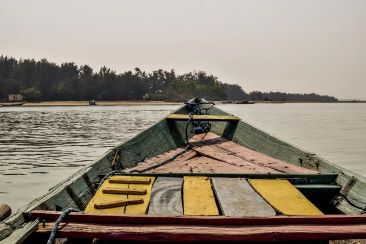
Birdwatching at Chilika Lake here feels immersive. There are no artificial platforms or crowded viewpoints. Visitors float quietly through channels as flocks rise and settle. The experience feels less like observation and more like shared space.
The Quiet Presence of Irrawaddy Dolphins
Among the lagoon's most treasured residents are Irrawaddy dolphins. These freshwater-adapted mammals move calmly through deeper channels. Unlike ocean dolphins, they surface gently and avoid noise.
Early mornings offer the best chances for sightings. Silence becomes part of the experience. Travelers learn patience as boats drift slowly. Seeing a dolphin surface briefly often leaves a lasting emotional impact, reminding visitors of nature's subtle rewards.
Islands That Carry Faith and Folklore
Several islands rise within the lagoon, each shaped by sediment and belief. Kalijai Island is the most revered, attracting pilgrims year-round. The journey to the island feels ceremonial, guided by water routes passed down generations.
These islands reflect how geography shapes culture. Stories, rituals, and daily practices evolved alongside changing shorelines. Visitors gain insight into how communities honor nature rather than attempting to control it.
Life Inside Fishing Villages Along the Shores
Fishing communities form the human backbone of the lagoon ecosystem. Their livelihoods depend on seasonal knowledge, tidal timing, and sustainable practices. Nets are cast with care, respecting breeding seasons.
Observing these routines reveals a rhythm untouched by modern urgency. Visitors often describe a sense of calm watching fishermen work at dawn. The lagoon teaches that productivity and patience can coexist.
A Haven for Slow and Responsible Tourism
Tourism around the lagoon remains largely nature-focused. Eco-lodges and homestays emphasize minimal environmental impact. Activities center on birding, boating, and cultural interaction.
This approach attracts travelers who value depth over checklists. There are no amusement parks or loud attractions. Instead, the focus stays on observation, learning, and presence. Such travel nurtures both the visitor and the destination.
Seasonal Transformations and Changing Moods
Each season reshapes the lagoon's character. Winter offers clarity, bird activity, and pleasant temperatures. Summer highlights vast skies and reflective waters. Monsoon brings dramatic cloud formations and renewed freshwater flow.
Rather than a single best time, the Chilika Lake offers evolving experiences. Travelers return during different seasons to witness these changes. The sense of impermanence becomes part of its charm.
Conservation as a Shared Responsibility
Preserving this ecosystem requires cooperation between authorities and local communities. Fishing regulations, dolphin protection zones, and controlled tourism play vital roles. Education programs raise awareness among residents and visitors alike.
Responsible travel supports these efforts. Choosing local guides and respecting wildlife guidelines helps sustain the lagoon's future. Conservation here feels participatory rather than restrictive.
A Photographer's Landscape of Light and Space
The lagoon's vastness creates endless visual compositions. Early light softens water surfaces. Evenings bring layered reflections across the horizon. Foggy mornings add mystery.
Photography here encourages stillness. The best frames often emerge after long waits. This process aligns with the lagoon's slow rhythm. Images captured feel contemplative rather than dramatic.
Spiritual Quiet Beyond Religious Boundaries
Many visitors describe a spiritual calm that extends beyond temples or rituals. The open water, gentle movement, and expansive skies create space for reflection. Silence feels natural rather than imposed.
This atmosphere appeals to writers, artists, and seekers. The lagoon becomes a place to listen inwardly. Its retreat-like quality lies in absence rather than activity.
Why This Lagoon Reflects Odisha's Natural Identity
Odisha's relationship with nature emphasizes coexistence. The lagoon embodies this philosophy through its balance of land, water, wildlife, and people. It represents adaptation rather than exploitation.
Travelers often leave with a deeper respect for regional identity shaped by environment. The experience offers understanding rather than spectacle.
Experiencing Chilika Lake as a Retreat, Not an Attraction
Approaching Chilika Lake as a retreat changes the experience entirely. Instead of rushing through highlights, visitors learn to slow down. Boat rides become meditative. Conversations with locals become meaningful.
This perspective transforms travel into reflection. The lagoon gives more when expectations remain simple.
Practical Travel Insights for Thoughtful Visitors
Access to the lagoon is convenient from major cities in Odisha. Local transport connects villages and entry points. Hiring community-based guides enhances understanding and supports livelihoods.
Packing light, respecting silence, and staying longer improve the experience. The lagoon rewards those who arrive without urgency.
Education, Research, and Living Laboratories
The Chilika Lake attracts researchers studying wetlands, climate change, and tectonic landscapes. Its evolving shoreline offers valuable data. Educational tours introduce visitors to these scientific perspectives.
Learning becomes experiential rather than academic. Visitors witness theories reflected in living systems. This blend of science and travel adds depth to the journey of Chilika Lake.
How the Lagoon Teaches Balance Through Nature
The lagoon survives through constant negotiation. Freshwater meets salt. Humans share space with wildlife. Change occurs gradually.
This balance offers lessons relevant beyond travel. Visitors often carry these insights home, applying them to daily life. Nature becomes teacher rather than backdrop.
The Emotional Impact of Open Horizons
Wide horizons influence emotional perception. Standing before endless water shifts focus outward and inward simultaneously. Problems feel smaller. Thoughts slow naturally.
Such emotional responses explain why many describe the lagoon as healing. It offers space to breathe, think, and simply exist.
A Destination That Encourages Return Visits
Few places offer the same experience twice. Seasonal change, shifting channels, and evolving wildlife ensure variation. Returning visitors notice subtle differences.
This evolving character builds long-term connection. Travelers often plan repeat visits, drawn by curiosity rather than obligation.
Conclusion: A Tectonic Retreat Where Nature Leads
Formed by earth's movement and sustained by balance, Chilika Lake stands as Odisha's most profound natural retreat. Its tectonic origins, living ecosystems, and cultural harmony create a destination that speaks softly yet deeply. Visitors come seeking beauty and leave with perspective. In a world moving fast, this lagoon reminds us of the power of slow, enduring change.