Explore Titicaca Lake: Culture, Islands and Scenic Beauty
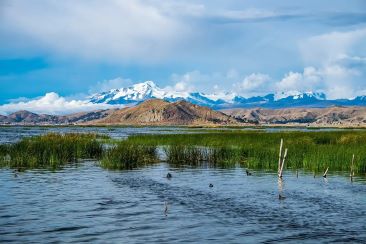
Set high in the Andean plateau, Titicaca Lake is more than a destination. It is a cultural heartland shaped by water, wind, and belief. Resting between Peru and Bolivia, this is a vast high-altitude lake. That has influenced civilizations for thousands of years. Travelers arrive drawn by stories of floating islands, ancient rituals, and endless blue horizons. What they often discover is a slower, more intentional way of life. This guide explores the lake's cultural depth, island communities, and scenic appeal. That offer insights that go beyond surface-level sightseeing.
The High-Altitude Setting That Shapes Daily Life
At over 3800 meters above sea level, the lake dominates the Andean altiplano. The altitude affects everything, from breathing patterns to farming cycles. Days are bright and crisp, while nights can be sharply cold. Locals have adapted over generations, growing hardy crops like quinoa and potatoes. Stone houses retain warmth, and daily schedules follow the sun. For visitors, the setting feels dramatic and expansive, with open skies that seem to stretch endlessly.
Mythology, Origins, and Andean Worldviews
According to Andean mythology, the Inca civilization was born from these sacred waters. Creation stories speak of gods emerging from the Titicaca Lake to shape humanity. These beliefs remain influential. Rituals honoring the earth, sun, and water are still practiced. Ceremonies mark planting seasons, harvests, and life events. Understanding these worldviews adds depth to every island visit. The lake is not just scenery; it is a living spiritual presence.
The Uros Floating Islands and Ingenious Survival
The floating reed islands are among the most distinctive features of the region. Built entirely from totora reeds, these platforms rise and fall with the water. The Uros people constructed them centuries ago for protection and independence. Maintenance is constant, as new reeds must be added regularly. Homes, boats, and watchtowers all come from the same plant. Visiting these islands offers insight into sustainable living, adaptation, and community cooperation.
Taquile Island's Social Order and Textile Heritage
Taquile Island stands out for its strong social organization. The community follows ancient Inca principles centered on honesty, work, and cooperation. Visitors exploring Titicaca Lake notice this order immediately. Paths are clean, and life feels calm. Textile art plays a central role here. Men knit hats that reflect marital status, while women weave detailed belts. These textiles are recognized by UNESCO for their cultural value. Walking the island trails also rewards travelers with sweeping lake views.
Amantani Island and Meaningful Cultural Exchange
Amantani Island is known for its welcoming homestay experiences. Families host guests in modest homes, offering simple meals and genuine conversation. Nights often include music and shared dances, creating moments of connection. During the day, visitors hike to ceremonial hilltops crowned by ancient temples. These sites offer panoramic vistas and quiet reflection. Staying overnight encourages respectful tourism that benefits local households directly.
Wildlife, Wetlands, and Ecological Balance
Despite the harsh climate, the lake supports diverse wildlife. Native fish species coexist with introduced trout. Birdlife thrives along reed beds and wetlands. You may spot grebes, ibis, and Andean geese gliding across the water. Reeds play a vital ecological role, filtering water and preventing erosion. Environmental challenges exist, including pollution and climate shifts. Conscious travel choices help protect these fragile ecosystems.
The Changing Colors and Timeless Scenery
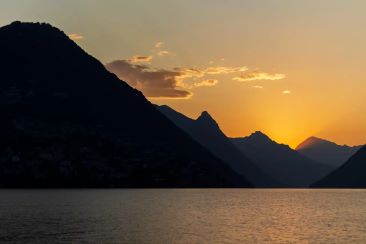
Scenic beauty here unfolds slowly. Morning light softens the water into pale blues and silvers. Midday sun sharpens contrasts between sky and mountains. Evenings bring warm hues as the sun sinks behind distant peaks. These transitions captivate photographers, but the real magic lies in stillness. Sitting by the shore reveals fishermen at work and villagers moving at an unhurried pace. The landscape encourages presence rather than haste.
Festivals, Music, and Seasonal Celebrations
Cultural festivals bring the region to life. Celebrations blend indigenous beliefs with Catholic traditions, creating colorful processions and rhythmic dances. Costumes feature bright embroidery and symbolic patterns. Music echoes across villages, carried by drums and flutes. Food plays a central role during festivals, with shared meals strengthening community bonds. Timing a visit around these events offers insight into collective identity and local pride.
Traditional Cuisine and Local Ingredients
Food reflects both altitude and heritage. Meals are hearty and warming, designed for cold evenings. Quinoa soups, potato stews, and fresh lake fish are staples. Herbal teas made from local plants help with acclimatization. Markets sell cheeses, grains, and dried goods. Dining with families provides context for ingredients and cooking methods. Every dish tells a story shaped by environment and tradition.
Practical Planning for a Smooth Visit
Preparation enhances any journey here. Allow time to adjust to altitude before island excursions. Drink plenty of water and pace physical activity. Weather can change quickly, so layered clothing is essential. Boat schedules vary, and flexibility helps. Learning a few local phrases shows respect. Photography should always be polite and consensual. Choosing community-based tours supports sustainable tourism and enriches experiences.
Experiencing Both Shores: Peru and Bolivia
The Titicaca Lake spans two nations, each offering unique perspectives. The Peruvian side is known for cultural access and island networks. The Bolivian shore features dramatic mountain backdrops and quieter villages. Crossing between the two requires planning but rewards travelers with broader understanding. Shared traditions unite communities, while local expressions differ. Seeing both sides highlights the lake's regional importance and cultural continuity.
Slow Travel and Responsible Exploration
This region rewards slow travel. Rushing through islands limits understanding. Spending time walking, listening, and observing creates deeper connections. Responsible exploration means minimizing waste and respecting customs. Supporting local artisans and hosts keeps traditions alive. Travelers who engage thoughtfully often leave with more than memories. They gain perspective on resilience, cooperation, and balance.
Conclusion: A Living Landscape of Culture and Calm
Exploring Titicaca Lake is an invitation to step into a world where nature and culture remain closely linked. Island communities preserve ancient knowledge. Landscapes inspire reflection rather than spectacle. Traditions continue through everyday life, not museums. For travelers seeking authenticity, this high-altitude realm offers clarity and calm. The experience stays with you, like ripples on water that slowly fade but never disappear.